SPOTIO is a sales tracking and territory management app built for field sales teams. It permits businesses to manage territories, track activities, and contend with sales processes. SPOTIO offers canvassing tools such as lead tracking, territory mapping, and route planning.
Who Is SPOTIO For?
As a single-point canvassing app, SPOTIO is designed for smaller sales teams that do not have growth or scaling as a primary goal. The SPOTIO app is an upgrade from manual, pen-and-paper sales workflows. Simple, uncomplicated sales processes can benefit from the functionality.
SPOTIO can also be cheaper than alternative technologies in the industry for budget-conscious sales teams that need some sort of sales management tool without breaking the bank—sacrificing selling points like customer support, ease of use, and rep adoption in favor of price point.
Small teams that plan on growing quickly, large teams, and sales organizations with numerous teams, (especially ones with complicated sales processes that rely on multiple software tools), would benefit from choosing a true field sales management platform instead of SPOTIO.
Growing and scaling sales teams is not limited to canvassing, but if your sales tools can only provide canvassing functionality, then that limit will be artificially put in place for you.
Choosing the right software solution for managing your sales leads and teams can be a daunting prospect—one you can’t afford to get wrong. Picking the right one can amplify your success.
SPOTIO Alternative for High-Growth Teams
SPOTIO has many alternative and competing single-point canvassing apps available to choose from, all of which tackle basic canvassing functionality in primarily the same way.
High-growth sales teams that need scalability and prioritize features like better customer support, ease of use for reps and managers, and 100% rep adoption, can find everything they’re looking for in SalesRabbit, as it’s the only all-in-one field sales management platform on the market.
SPOTIO vs SalesRabbit: What to Know
In a nutshell, SPOTIO is a single-point canvassing app whereas SalesRabbit is a complete field sales management platform and solution.
With SPOTIO, as needs grow, so do the number of external tools managers and reps pay for.
With SalesRabbit, as needs grow, so does the platform; sales teams can always bundle and save.
Enhanced SalesRabbit Capabilities to Be Introduced at D2DCon 7
Zac Kerr
It’s almost here—from January 25th through the 27th, door-to-door professionals will come together at the Salt Palace Convention Center in Utah for one of the biggest sales events of the year! You won’t want to miss the exciting announcements we’ll be introducing at the show.
SalesRabbit Has Evolved—Be the First to Know
Attending D2DCon? You’ll want to stop by our booth (#15) to see the cutting-edge software that’s transforming how field sales teams operate. Whether you already use SalesRabbit or only know us by name, you’ll be surprised by how quickly our software is revolutionizing the game.
Trust us—you don’t want to miss out on the next wave of field sales management tech, with SalesRabbit leading the way for everybody in the door-to-door industry. We’re talking way beyond canvassing—state-of-the-art performance amplification, streamlined scheduling, effortless proposals, AI-assisted data & analytics—and that’s just the tip of the iceberg.
It’s all going to be announced at the event! Stop by to see it firsthand.
Want a Sneak Peek of What We’ve Got In Store?
Shhh! We don’t want to spoil all our surprises, but we’d love to give you a hint for at least one of our secrets—just don’t tell anybody, okay?
Here’s your hint: 9. Like the number. There are at least 9 platform capabilities to learn about at the event. And they’re all part of something big—a platform that has never existed before.
Best Field Sales Scheduling Software—Start Using Scheduler in SalesRabbit
Renee Goodenough
In field sales, time is a precious commodity, and juggling appointments while on the go can be time-consuming and cumbersome. That’s why SalesRabbit’s Scheduler simplifies appointment management, providing a reliable solution designed for the needs of field sales professionals.
Here’s how using Scheduler allows setters, closers, and other sales pros to keep their schedules in sync and the sales coming through:
Seamless Calendar Integration
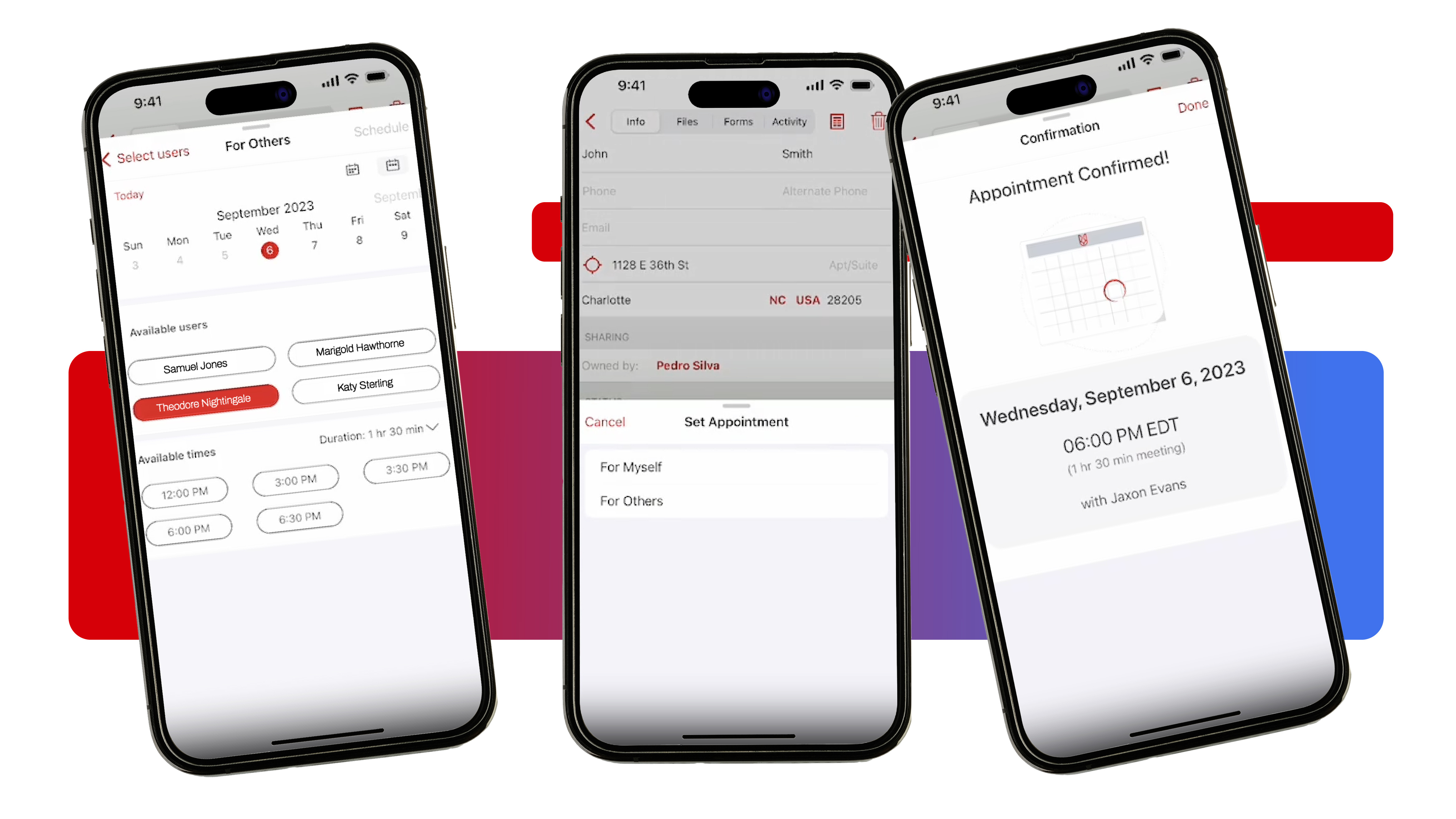
Imagine having your sales appointments seamlessly sync with your preferred calendar—whether you add an appointment yourself or someone else sets it for you.
With SalesRabbit’s Scheduler, you can integrate your Google Calendar or Outlook Calendar effortlessly, ensuring that every appointment you have is reflected in your schedule.
Sales managers and reps with access can view team members’ availability at a glance, filling in or adjusting appointments in seconds, without back-and-forth text or email communication.
Streamlined Appointment Booking
Gone are the days of slow and tedious appointment scheduling. Scheduler features an intuitive and user-friendly interface, making the process of booking appointments for yourself and your team members straightforward.
You can spend less time worrying about improperly scheduled appointments falling through the cracks and more time engaging with potential clients and scheduling appointments you know will work—all with a few easy taps.
When you set an appointment, all the details automatically populate based on what’s already available in SalesRabbit. You’ll have names, phone numbers, addresses, notes, and more.
Real-Time Sales Team Collaboration
Have you ever needed to schedule a meeting for a team member on the fly? Perhaps you’re a setter and it’s part of your daily routine. SalesRabbit empowers you to use Scheduler to book appointments for others/closers in real-time, considering their up-to-date availability.
Availability constantly changing? Scheduler takes into account any schedule changes as they happen to prevent double-bookings or bookings outside set timeframes.
When the entire team uses Scheduler, it allows for smoother collaboration and eliminates scheduling conflicts—and worse—missed appointments and opportunities.
Flexibility on the Go
Field sales teams demand adaptability, and Scheduler recognizes this need. Designed for mobility, Scheduler allows you to efficiently manage appointments in SalesRabbit while on the move.
No need to sit down for an extended period of time just to organize and reorganize schedules. Keep things moving by taking care of appointment management in the moment.
Getting Started with Scheduler
SalesRabbit’s Scheduler is more than just a scheduling tool—it’s your ally in optimizing your sales schedule. Seamlessly integrating with your calendar and simplifying appointment booking, it empowers you to take control of your time and focus on what matters most: fostering client relationships and driving sales.
By leveraging Scheduler, you’ll be better equipped to seize every opportunity, maximize your time, and navigate the competitive field sales landscape with ease.
You can get started now to see the transformation in managing appointments. Take charge of your schedule, make the most of your time, and elevate your efficiency in the field of sales.
5 Popular Sales Methodologies and Key Steps to Know
Sean Huckstep
In sales, success isn’t just about making pitches—it’s about completing a journey over and over.
But, what journey are you taking?
This is where the magic of sales methodology unfolds as a map to guide each step, empowering you to solve complex customer needs, understand pain points, and craft solutions that resonate. Here’s what you need to know:
What Is Sales Methodology?
Sales methodology is an ordered and strategic approach used by sales teams to convert leads into customers. It’s not a one-size-fits-all solution; rather, it includes a set of principles and best practices built for the unique needs of an organization, its target audience, and its industry.
A well-defined sales methodology aligns the sales process steps with the buyers’ journey.
6 Key Steps of Sales Methodology to Know
Generally speaking, there are six steps in sales you should get to know, no matter how granular, modern, or tried-and-true your chosen methodology is. Each methodology should cover each of these stages in one way or another, most likely in this order:
1. Prospecting
Identifying potential leads and qualifying them based on specific criteria is the initial step in any sales methodology. This involves researching, networking, and leveraging various channels to find prospects who fit the ideal customer profile.
2. Engagement and Qualification
Once prospects are identified, engaging with them effectively and understanding their needs, challenges, and pain points becomes crucial. This stage involves active listening, asking relevant questions, and determining whether the prospect is a good fit for the offered solution.
3. Presentation and Demonstration
Presenting the product or service in a compelling manner that addresses the prospect’s needs is vital. This stage often involves demonstrations, trials, or presentations tailored to showcase the value proposition.
4. Handling Objections
Prospects may raise objections or concerns during the sales process. Effective sales methodology equips sales professionals with techniques to address objections confidently and turn them into opportunities to further emphasize the value of the offering.
5. Closing the Deal
The completion of the sales process involves closing the deal. A well-defined sales methodology provides strategies and tactics to guide the prospect toward making a purchasing decision without being overly pushy.
6. Follow-Up and Relationship Building
Post-sale, maintaining a relationship with the customer is crucial for fostering loyalty and potential future business opportunities. Effective sales methodologies emphasize follow-up and ongoing support to ensure customer satisfaction.
5 Types of Sales Methodologies
1. SPIN Selling
SPIN selling is a sales methodology developed by Neil Rackham in his book “SPIN Selling,” which outlines a structured approach for engaging with prospects and closing sales. The acronym “SPIN” stands for Situation, Problem, Implication, and Need-Payoff, representing the types of questions sales professionals should ask during the sales process.
Situation Questions
These are basic queries aimed at understanding the prospect’s current situation, such as their existing processes, systems, or circumstances related to the product or service. Situation questions help in gathering background information about the prospect’s environment.
Could you walk me through your current process for [specific activity relevant to product/service]?
Problem Questions
Salespeople ask these questions to uncover the challenges, difficulties, or pain points that the prospect is experiencing. By identifying specific problems or needs, sales professionals can delve deeper into understanding the issues the prospect is facing.
Have you encountered any issues with [specific aspect related to your product/service] that have been impacting your [desired outcome or goal]?
Implication Questions
These questions explore the potential consequences or implications of the identified problems. They aim to help the prospect recognize the impact and severity of their challenges, emphasizing the importance of addressing those issues.
If [specific challenge identified] remains unresolved, how might it affect your [relevant aspect of the prospect’s business or goals] in the long run?
Need-Payoff Questions
These questions focus on the benefits or solutions that the prospect desires. They help the salesperson link the proposed solution to the prospect’s needs or desired outcomes, highlighting how the product or service can alleviate the identified problems and deliver value.
If [solution to the identified challenge] were implemented, how do you think it would positively impact your [specific desired outcome or goal]?
2. Consultative Selling
Consultative selling is a sales approach that prioritizes building strong relationships with prospects by acting as a trusted advisor. Instead of focusing solely on selling a product or service, consultative selling involves understanding the prospect’s needs deeply and offering personalized solutions that address those needs.
Understanding the Prospect’s Business
Sales professionals using consultative selling invest time in comprehensively understanding the prospect’s business, challenges, goals, and industry landscape. This deep understanding forms the basis for providing tailored recommendations.
Asking Probing Questions
Consultative sellers engage prospects in meaningful conversations by asking open-ended questions to uncover pain points, challenges, and desired outcomes. These questions aim to reveal the prospect’s underlying needs and motivations.
Educating and Providing Value
Rather than just pitching products or services, consultative sellers focus on educating prospects. They offer insights, resources, and information that add value, positioning themselves as trusted advisors who are genuinely interested in helping the prospect succeed.
Customized Solutions
Consultative selling involves crafting solutions that are customized to meet the specific needs and challenges of the prospect. These solutions are not one-size-fits-all but are built to address the prospect’s pain points and objectives.
Long-Term Relationships
The goal of consultative selling is to establish long-term relationships built on trust and mutual benefit. Sales professionals strive to become ongoing partners who continuously add value to the prospect’s business even after the sale is made.
3. Challenger Sale
The Challenger Sale is a sales methodology introduced by Matthew Dixon and Brent Adamson in their book “The Challenger Sale: Taking Control of the Customer Conversation.” It presents a different approach to sales by emphasizing the role of the salesperson as a “Challenger.”
Teaching for Differentiation
Challengers are sales professionals who teach prospects about new insights, perspectives, or opportunities that the prospect might not have considered. They challenge the status quo by offering unique insights that can reshape the prospect’s thinking.
Tailoring Solutions
While Challengers present new ideas, they also tailor these insights to address the specific needs and challenges of the prospect’s business. They link their solutions to the prospect’s situation, demonstrating relevance and value.
Taking Control of the Sale
Challengers assert control of the sales conversation by guiding the discussion and leading the prospect toward a solution that aligns with the Challenger’s insights. They are assertive without being aggressive, directing the conversation toward a solution that challenges the prospect’s preconceptions.
Managing Complex Sales
The Challenger Sale methodology is particularly effective in complex sales environments where there are multiple decision-makers or a lengthy buying process. Challengers navigate these complexities by engaging with various stakeholders and providing value throughout the journey.
4. Solution Selling
Solution selling is a sales methodology focused on addressing the specific needs and problems of the customer by offering comprehensive solutions rather than just selling a product or service. This approach emphasizes understanding the customer’s pain points, challenges, and objectives deeply to provide solutions that meet their unique requirements.
Needs Assessment
Solution selling begins with an in-depth assessment of the customer’s needs. Sales professionals using this methodology engage in conversations to thoroughly understand the customer’s challenges, goals, and desired outcomes.
Consultative Approach
Solution sellers act as consultants rather than simply pitching products. They leverage their expertise to recommend comprehensive solutions that address the customer’s specific issues, often involving multiple components beyond the core product or service.
Value Proposition
The focus is on demonstrating the value of the proposed solution to the customer. Solution sellers highlight how their offering can alleviate the customer’s pain points, improve processes, increase efficiency, or generate positive outcomes for the customer’s business.
Problem-Solving Approach
Rather than solely focusing on the features of a product or service, solution sellers concentrate on solving the customer’s problems. They position their offerings as the means to address specific pain points or challenges faced by the customer.
5. MEDDIC Selling
MEDDIC is a sales methodology that provides a structured framework for qualifying leads and guiding sales teams through the process of engaging with prospects. The acronym “MEDDIC” stands for Metrics, Economic Buyer, Decision Criteria, Decision Process, Identify Pain, and Champion.
Metrics
Understanding the prospect’s quantifiable goals and objectives. This involves identifying key performance indicators (KPIs) and metrics that matter most to the prospect’s business success.
Economic Buyer
Pinpointing the individual within the prospect organization who possesses the authority and budget to make purchasing decisions. This person is the ‘economic buyer’ and holds the power to approve the sale.
Decision Criteria
Defining the criteria the prospect uses to evaluate potential solutions. Understanding what factors matter most to the prospect in making their purchasing decision.
Decision Process
Gaining insight into the prospect’s decision-making process. This involves understanding the steps, stakeholders involved, and the timeline for making a final decision.
Identify Pain
Uncovering the prospect’s pain points or challenges. Understanding the problems they are facing and how your product or service can address and solve those issues.
Champion
Identifying an internal advocate or ‘champion’ within the prospect’s organization. This person supports your offering, navigates internal processes, and promotes your solution to other decision-makers.
4 Benefits of Using a Sales Methodology
Implementing a structured sales methodology offers benefits that significantly impact the effectiveness and success of sales teams—these are the advantages of a sales methodology:
1. Consistency
A structured sales methodology establishes a set of standardized processes and practices for sales teams to follow. This consistency ensures that every member of the team approaches sales engagements in a structured way.
By having a clear and repeatable framework, sales reps can provide a consistent experience to prospects, leading to enhanced credibility and trust. Moreover, it helps in maintaining brand consistency and ensures that the company’s value proposition is effectively communicated.
2. Efficiency
Sales methodologies streamline sales process automation by providing a systematic approach from prospecting to closing deals. This structured framework enables sales representatives to prioritize their efforts effectively.
By focusing on qualified leads and following a predefined roadmap, sales teams can optimize their time and resources. This efficiency minimizes the chances of pursuing unproductive leads, thereby increasing productivity and improving the overall conversion rates.
3. Customer-Centric Approach
One of the core principles of a sales methodology is aligning with the buyers’ journey. By placing a strong emphasis on understanding the customer’s needs, pain points, and preferences, sales methodologies facilitate the creation of more meaningful and relevant interactions.
This customer-centric approach is pivotal in fostering stronger relationships with prospects and existing clients. By demonstrating an understanding of their challenges and offering solutions, sales teams build trust, ultimately leading to increased customer satisfaction and loyalty.
4. Measurable Results
Implementing a sales methodology enables sales teams to track and analyze various performance metrics. By consistently measuring key performance indicators (KPIs) such as conversion rates, customer acquisition costs, sales cycle length, and customer lifetime value, teams gain valuable insights into their sales performance.
This data-driven approach allows for informed decision-making, enabling sales leaders to identify areas for improvement and make adjustments to optimize sales process management.
Ready to Sell Like a Pro?
Sales methodology serves as the guiding framework that empowers sales teams to navigate the complexities of the sales process effectively. By adopting and adapting the right methodology to suit specific business objectives, industries, and customer bases, organizations can enhance their sales performance and drive sustainable growth.
For solar sales professionals, staying ahead means more than just closing deals; it’s about understanding the evolving landscape and ethical practices that ensure long-term success. The most recent development you need to know about is the Residential Solar Association (RSA), a game-changer in industry standards and championing transparency, integrity, and credibility.
What Is the Residential Solar Association?
Established in 2023, the Residential Solar Association is a nonprofit committed to supporting the solar industry’s healthy growth while upholding high standards, fairness, and competitive opportunities for solar professionals. This association brings together leaders from various segments of the solar space, from sales and installation experts to technology providers and legal resources.
Why the RSA Matters in Solar Sales
Imagine having a playbook that sets clear rules of the game, ensuring fair play and accountability. That’s precisely what the RSA offers. They’ve created a rulebook that defines what it means to be an RSA-compliant member, ensuring that ethical practices and transparency are at the forefront of every interaction with clients and within the industry.
Addressing Industry Challenges Head-On
In the fast-paced world of solar sales, challenges often arise. The RSA recognizes the issues of overselling and discrepancies between sales promises and installation capabilities. These challenges, if left unchecked, could hinder the industry’s growth. This is where the RSA steps in, providing education, certification processes, and a feedback system to maintain high standards across the board.
The RSA’s Vision for Solar Sales Professionals
The RSA’s vision goes beyond mere accreditation. It’s about elevating the industry by fostering responsible lending, transparent sales practices, top-notch installations, and cutting-edge technology. Jake Kilgore, RSA’s VP, emphasizes that these benchmarks aren’t just checkboxes; they’re pillars that will drive the industry forward ethically and sustainably.
Kilgore says, “The Residential Solar Association (RSA) stands firmly on four robust pillars: lending, sales, installations, and technology. Our primary mission is to elevate the residential solar industry by establishing accreditation standards that serve as essential gatekeepers, ensuring that only organizations committed to ethical practices thrive.
“By setting these benchmarks, we aim to foster an environment where responsible lending, transparent sales practices, high-quality installations, and cutting-edge technology coalesce to drive the industry forward, ultimately benefiting both our homeowners and the planet.”
Joining Forces for a Brighter Tomorrow
The RSA isn’t just a membership; it’s a community of solar professionals driven by pride and a commitment to the industry.
Abby Buchmiller, a board member, echoes this sentiment, emphasizing the collective potential to build sustainable entities and innovate for a healthier planet, saying, “The driving cause and early efforts of this group are real, tangible, and are paving the way for a bright future for our young and promising sector.
“With consumer protection at the forefront of our efforts, we are driving toward top-tier quality standards for sales practices and contracting alike. Our commitment goes beyond business; it’s about creating a legacy of renewable energy for generations to come.”
The RSA’s Impact on Your Solar Sales Journey
For sales professionals, the RSA offers more than just guidelines. It’s a platform that advocates for responsible, ethical practices while providing access to training resources, accreditations, and collaborations with like-minded professionals. Being part of RSA means contributing to a unified effort shaping a cleaner, more sustainable future for residential solar.
“The purpose of the RSA is to unify the voice of the residential solar industry. The RSA is committed to educating and elevating the industry. We are an ever-expanding group of experts in consolidating and declaring the best practices for selling, installing, manufacturing, lending, and servicing solar systems.
“RSA members are committed to improving the industry by operating with integrity and excellence. The RSA is focused on removing bad actors, protecting consumers, and collaborating with policymakers in creating standards that empower the residential solar industry.” –Mark Bench, President
Embracing Ethical Standards in Solar Sales
The RSA stands as a beacon for solar sales professionals, offering guidance, education, and standards that uphold ethical practices. It’s about ensuring customer satisfaction, ethical dealings, and sustainable growth in an ever-evolving industry.
Joining the RSA isn’t just about the membership; it’s about embracing a collective responsibility to drive the solar industry ethically forward, ensuring a positive legacy for future generations.
Get ahead of the curve and follow the Residential Social Association from the beginning. Check them out on their social media and see how you can get involved:
Effective sales team management is the cornerstone of a thriving organization. It combines motivating individual sales reps and building strong relationships among team members. One powerful starting place in this process is asking the right questions. Here are 10 key questions reps and leaders can answer together to significantly enhance sales team management:
Question #1: What Are Your Sales Goals?
For Sales Reps
As a sales representative, you’re on the front lines of achieving your goals. These goals are like your own personal roadmaps to success. They could be about reaching a specific revenue target, securing a certain number of clients, or exceeding last quarter’s performance. Your sales goals are what drive you to excel, and they provide a clear picture of your objectives.
For Sales Leaders
As a sales leader, your role is to make sure that these individual sales goals connect with the broader team objectives. You’re like the GPS for your team, ensuring that everyone’s efforts align with the larger mission. When individual goals match up with team goals, you’re on the path to success. It’s a bit like making sure all the cars in a race are moving in the same direction. When the team’s individual motivations and targets are clear, you can provide tailored support and direction.
Question #2: How Can I Support Your Goals?
For Sales Reps
You’re not alone in your pursuit of success. Your manager is here to provide guidance, resources, and support. Sharing your goals openly and honestly allows your manager to tailor their support to your unique needs. Whether it’s additional training, access to specific tools, or assistance with complex deals, your manager becomes your partner in achieving your objectives.
For Sales Leaders
Your commitment to your team’s success is unwavering. By asking this question, you’re reinforcing the collaborative aspect of the manager-rep relationship. It’s not just about setting expectations and monitoring performance; it’s about actively engaging in the journey to success with your team members. By openly discussing how you can support your team’s goals, you establish trust and show that you’re invested in their individual and collective achievements.
Question #3: What Motivates You?
For Sales Reps
You have your own unique set of motivations, based on your Bartle player type. It might be the allure of financial incentives, the desire for recognition, or the pursuit of personal growth. By understanding what truly motivates you, you can tap into your inner drive and direct your efforts toward the goals that resonate with you the most.
For Sales Leaders
It’s your responsibility to understand and leverage these motivations. By asking the question “What Motivates You?” and actively listening to the responses, you gain insights into what drives your team. Some may thrive on the promise of financial rewards, while others may be fueled by the prospect of recognition in front of their peers. And there are those who find motivation in the opportunity for personal and professional growth.
Question #4: What Challenges Are You Facing?
For Sales Reps
You’re on the front lines of your company’s growth, and you undoubtedly face various challenges daily. These could be related to navigating complex deals, managing time effectively, or addressing objections from clients. By openly sharing these challenges, you set the stage for finding solutions and getting the support you need.
For Sales Leaders
Your role is not just to set expectations but to actively support your team in their journey. By asking “What Challenges Are You Facing?” and creating a safe space for open communication, you’re showing your team that you’re there to help. Challenges can range from individual sales hurdles to broader team issues. By understanding these challenges, you can step in with support, training, or resources to help your team overcome these obstacles.
Question #5: How Can We Foster Healthy Competition?
For Sales Reps
Healthy competition can be invigorating. It often sparks your inner drive to excel, outperform your peers, and achieve outstanding results. Recognizing this, you can actively participate in competitive activities that motivate you to push your limits, whether it’s vying for a top spot on the leaderboard, working towards a specific reward, or engaging in friendly challenges with your colleagues.
For Sales Leaders
It’s essential to encourage and support healthy competition within your team. By asking “How Can We Foster Healthy Competition?” and listening to your team’s preferences, you can introduce gamification elements into your sales activities. This could include leaderboards that display top performers, rewards for reaching specific milestones, or fun challenges that encourage friendly competition.
Question #6: What Learning Opportunities Interest You?
For Sales Reps
Your journey is a continuous path of growth and development. You’re constantly honing your skills and seeking ways to improve. When asked about learning opportunities, you can express your interests, whether it’s mastering new sales techniques, understanding the latest industry trends, or improving your communication skills. Sharing these interests allows you to tailor your professional growth to your preferences and goals.
For Sales Leaders
It’s your role to facilitate the learning and development of your team members. By inquiring about their learning interests, you gain insights into their individual aspirations and areas for improvement. This enables you to identify specific training and development opportunities that align with both individual and team objectives.
Question #7: How Do You Prefer to Receive Feedback?
For Sales Reps
As a sales representative, you may have a unique preference for how you receive feedback. Some may thrive on direct, constructive criticism, while others may prefer a gentler, more encouraging approach. By expressing your feedback style preference, you’re contributing to a more effective feedback process that speaks to your needs and helps you grow.
For Sales Leaders
Sales leaders understand that feedback is a vital tool for growth and improvement. However, they also recognize that not everyone responds the same way to feedback. By inquiring about feedback preferences, leaders can gain insights into how to deliver feedback effectively. This information allows them to tailor their approach to each team member, reinforcing a culture of improvement.
Question #8: What Collaboration Strategies Do You Find Effective?
For Sales Reps
You may have discovered collaboration strategies that work exceptionally well for you. These strategies might involve working closely with colleagues on specific deals, sharing valuable market insights, or collaborating on client outreach. Sharing your effective collaboration strategies not only highlights your contributions but also provides valuable insights for the team’s collective growth.
For Sales Leaders
Sales leaders understand that the best strategies often emerge from the collaborative efforts of their team. By inquiring about effective collaboration strategies, leaders actively encourage their team members to share what works. This exchange of knowledge and strategies fosters a culture of collaboration and information sharing, allowing the team to tap into its collective wisdom.
Question #9: What Can We Do to Improve Communication?
For Sales Reps
You understand the significance of clear and open communication. You’re often at the forefront of client interactions, and your insights can be invaluable for team success. By contributing your thoughts on communication improvement, you’re actively shaping a more effective communication process.
For Sales Leaders
Sales leaders recognize that a well-communicating team is a more efficient and productive team. By addressing this question, leaders empower their team members to voice their ideas and collaboratively identify solutions to enhance communication. These solutions could encompass regular team meetings, the integration of messaging apps for real-time communication, or status updates that keep everyone informed about key developments.
Question #10: How Can We Celebrate Achievements?
For Sales Reps
Your achievements deserve acknowledgment and celebration. Your dedication and hard work contribute significantly to the team’s success. By expressing how you prefer to celebrate achievements, you’re actively participating in the process of creating a motivating and gratifying work environment.
For Sales Leaders
Sales leaders understand the importance of acknowledging their team’s achievements. By seeking input on how these achievements should be celebrated, leaders ensure that the recognition resonates with each team member. This actively engages the team in shaping a positive and rewarding environment, fostering an atmosphere where recognition becomes a catalyst for motivation and engagement.
Unlocking Your Team’s Full Potential
By incorporating these 10 key questions into the sales team management strategy, you can significantly improve relationships between reps and leaders; it’s an important part of how to build a door to door sales team. When combined with elements of sales motivation and gamification, they create an environment that’s not only productive but also enjoyable, ultimately leading to higher sales performance and a happier, more cohesive team.
Gamification for Sales: Solving the Secret to Team Motivation
Diana May-Jennings
Motivating a sales team is challenging in the best of times. During the last three years, leaders have had to do so even as they navigated major workforce changes. Sales reps have been experiencing something similar, striving to hit goals while struggling with employee turnover, new priorities, and economic uncertainty.
Now, in the second half of 2023, we’re settling into a new normal. Hybrid work has been normalized, and despite a hazy economic outlook, workers are happier than they’ve been in decades. Given this momentum, we decided it was time to examine how well sales leaders and managers motivate their sellers to hit company KPIs.
Motivation is at the core of everything we do, but it’s actually a lot of work to properly motivate yourself and your team. Not to mention sales rep turnover is one of the highest issues teams face that causes them to lose revenue.
Motivation is a crucial factor in the world of sales for several reasons. Here are some of the key points for why motivation matters in sales (especially for reps):
Builds resilience: Sales can be a challenging and often rejection-heavy profession. Motivated salespeople are more likely to persist in the face of rejection and setbacks. They view these challenges as opportunities to learn and improve, rather than as failures.
Provides energy and enthusiasm: Motivated salespeople bring a higher level of energy and enthusiasm to their work. This energy is infectious and can positively influence customers, making them more likely to buy.
Creates goal-oriented reps: Motivated salespeople are goal-oriented. They set clear, specific sales targets and work diligently to achieve them. This focus on goals helps them stay on track and measure their progress. Once a goal is measured, it can then be grown.
Better customer engagement: Motivation often leads to a genuine interest in the products or services being sold. This genuine interest translates into better customer engagement and the ability to address customer needs effectively.
Helpful continuous learning: Motivated salespeople are more likely to invest in their personal and professional development. They seek out training, read industry literature, and stay updated on market trends, which enhances their selling skills.
Better rep attitude: A motivated salesperson tends to maintain a positive attitude. This positivity not only impacts their own performance but also creates a more pleasant and productive working environment. Studies have shown that being in proximity (25 feet) of a motivated and higher performing salesperson will actually make you roughly 15% better at your job. Likewise, sitting near a low performer will statistically drop your performance 30%.
Promotes creativity and innovation: Motivated salespeople are more likely to think creatively and come up with innovative solutions to customer problems. This can set them apart from competitors and lead to increased sales.
Rep adaptability: In the ever-changing world of sales, adaptability is crucial. Motivated individuals are more open to change and can quickly adjust their strategies to align with new market conditions or customer preferences. Which allows your team to pivot quickly without sacrificing any key business metrics.
As you can see, motivation is a critical component of success in sales. It fuels persistence, enthusiasm, and the ability to overcome obstacles, ultimately leading to higher sales performance and better customer relationships. Motivated salespeople are more likely to set and achieve goals, stay adaptable in a changing marketplace, and create a positive and productive work environment.
However, when a rep fails to find motivation, it’s common that they become dissatisfied with their company or manager jump to another sales opportunity. This is known as rep turnover; it happens because most managers don’t have the tools or time to help reps feel motivated intrinsically.
What is Rep Turnover?
Sales rep turnover, also known as sales turnover or salesperson turnover, refers to the rate at which sales representatives leave a company and are replaced by new sales representatives. It’s a key metric used in sales management to assess the stability and effectiveness of a sales team.
Sales rep turnover can be shown as a percentage that’s calculated by dividing the number of sales representatives who have left the company (voluntarily or involuntarily) during a specific period by the average number of sales representatives employed during the same period.
High sales rep turnover can have several implications for a company, including:
Increased recruitment and training costs: Frequent turnover means a constant need to hire and train new sales reps, which can be costly and time-consuming.
Disruption to sales operations: Frequent turnover can disrupt sales processes and customer relationships, as new reps need time to become productive and build rapport with clients.
Inconsistent sales performance: High turnover can lead to inconsistent sales results, as new reps may take time to reach their full potential.
Decreased morale: Frequent turnover can negatively affect the morale of the remaining sales team, as they may feel uncertain about their job security.
Loss of institutional knowledge: As experienced sales reps leave, they take valuable knowledge about the company, its products, and its customers with them.
No matter how long you’ve been in sales for, you know how prevalent rep turnover is and what it can do to a company. And it seems like there’s one sure-fire way to stop reps from leaving in handfuls: gamification.
“78% of professionals say that a gamified recruiting process makes them more eager to work for the company providing the training.”
Researching Motivation Among Sales Professionals
We surveyed more than 300 sales professionals in the solar, roofing, telecom and other sales industries to understand how managers communicate with their teams, which tactics they use to motivate reps (if any), and how often they recognize their team’s hard work.
Then we asked reps how effective those efforts really are.
Here’s what they said…
Motivation Differences Between Managers and Sales Reps
Despite their challenges, leaders and managers hold themselves in high esteem. When asked to evaluate their management and motivational performance, they gave themselves high marks across the board.
Sales reps were far less enthusiastic.
For example, 71% of leaders and managers agreed with the statement, “I know how to motivate my team to perform their best,” and 76% agreed that, “I know how to motivate each individual rep.” Ironically, 78% of managers who pointed to low individual motivation also said that they know how to motivate individuals.
Meanwhile, sales reps told a very different story.
Only 40% agreed with the statement, “My manager knows how to motivate me.”
69% of managers agree they have the tools they need to motivate their sales reps. They say gamification elements— leaderboards, dashboards, competitions, and badges that mark milestones and achievements, are among the most effective tools at their disposal.
However, interestingly enough, while most managers said they have these needed tools to motivate their reps, 54% stated that they don’t have great reward options already available, resulting in reps that don’t care to participate in what the manager has planned. Reward options are an essential piece to the puzzle that is sales motivation.
When asked what motivates them to perform their best and reach their day-to-day goals, 46% of sales reps ranked individual goal progression and 61% stated being able to track their progress in real-time as top motivators. Likewise, 61% of reps said being recognized regularly inspires them to work harder.
Managers did seem to overlook several obvious motivators—tangible rewards. When asked what tools and rewards were the most effective motivators, 54% of reps unequivocally ranked cash bonuses as the best way to reward them for reaching certain goals.
The No-Mo(tivation) Problemo—The Motivation Gap
After conducting our research, it was clear there was a lack of motivation among sales reps despite managerial efforts. But what was really causing it? Are managers spending an outsized portion of their time and energy motivating poor performers? Do managers overlook dashboards and motivational activities?
The data suggests the problem is bigger than just a few reps.
Managers and leaders who said they are most challenged by “low individual motivation” also picked “low team morale” as their second biggest problem. 67% put it in their top three. In short, managers and leaders who point to “low individual motivation” as a key difficulty also seem to have a team-wide morale problem on their hands.
*Based on partner research
By contrast, only 42% of other managers named morale as a top three problem. In fact, morale ranked lowest after “lack of a recognition program” (60%), “managing a hybrid team” (55%), and “ineffective incentives” (48%). When freed of the immediate challenges of tackling motivation and morale, leaders and managers seem to have the bandwidth to look at the bigger picture. After all, it’s hard to think about much else when you’re beating the quota drum every day.
When it comes to the intrinsic motivation of sales reps—a drive to achieve that comes from within—responses were equally split between goal attainment and helping clients.
This makes sense.
Sales reps are social creatures with a vested interest in helping clients succeed, but they’re rewarded financially for hitting their numbers. However, when we divide reps according to how motivated they say they are, a clear correlation emerges. The more motivated the rep, the more effective they rated goal attainment. The less motivated they are, the more likely they are to choose helping clients.
Reps who identified as “extremely motivated,” were the most likely to choose making progress on individual goals (56%) and least likely to choose helping clients (44%) of any other group. Conversely, 70% sellers who identify as “poorly” or “not at all motivated” chose helping clients, a much larger proportion.
Improving the Rep/Manager Relationship Grows Revenue
There are plenty of instances where sales reps and managers don’t see eye-to-eye. Sound familiar? What we identified is that reps want to be externally motivated, but their managers either don’t know how or don’t have the correct tools at their disposal.
A good relationship between sales reps and sales managers is essential for a variety of reasons:
More Effective Communication: A positive relationship encourages open and effective communication. Sales reps can share their challenges, successes, and ideas with their managers, leading to better problem-solving and decision-making.
Performance Improvement: When there’s a good rapport between sales reps and managers, feedback and coaching become more productive. Managers can provide constructive feedback and guidance, helping salespeople improve their skills and performance.
Boosted Motivation and Morale: A supportive relationship with their manager can boost the motivation and morale of sales reps. Knowing that their efforts are recognized and valued can lead to higher job satisfaction and increased commitment to achieving sales targets.
Goal Alignment: A strong relationship ensures that sales reps and managers are on the same page when it comes to goals and expectations. This alignment is crucial for working together towards common objectives and maintaining a clear sense of direction.
Conflict Resolution: Conflicts and disagreements can arise in any workplace. A positive relationship makes it easier to address and resolve conflicts in a constructive manner, rather than letting them fester and negatively impact the team.
Trust and Accountability: Trust is a cornerstone of any successful relationship. A strong manager-rep relationship builds trust, which is crucial for accountability and achieving sales goals.
Employee Retention: Like we discussed before, sales reps who have a good relationship with their managers are more likely to remain with the company. High rep turnover can be costly and disrupt the continuity of the sales team.
A strong relationship between sales reps and sales managers is crucial for fostering effective communication, motivation, performance improvement, trust, and accountability. It contributes to a positive work environment and helps the sales team work cohesively toward common objectives, ultimately leading to increased sales and the overall success of the organization.
A huge component to a better manager, rep relationship is managers understanding who exactly their rep is. This doesn’t mean the manager needs to spend all of their time learning their reps favorite color or band, we’re talking about personality. A common theme from our research showed that reps feel their managers don’t understand who they are and what would actually motivate them (or that managers don’t even try). That can be solved by understanding which of the 4 player types a rep falls into—that’s where Richard Bartle comes in.
The 4 Bartle Player Types
Too often sales leaders and managers think well-motivated reps are somehow innately better: more focused, harder workers, more talented.
But those sellers may simply be wired to respond positively to the motivation framework that has worked in sales for ages. If that’s true, poorly motivated salespeople can be turned around—if managers can understand what makes them tick. Bartle’s player types is one of many frameworks for understanding what motivates different personality types.
Bartle’s Four Player Types, also known as the Bartle Test or Bartle’s Taxonomy of Player Types, is a framework developed by Richard Bartle in the early 1990s to categorize players of multiplayer online games based on their motivations and behaviors within these virtual worlds.
Bartle’s research primarily focused on text-based MUDs (Multi-User Dungeons), but the concept has since been applied to various online and multiplayer games—and now to the sales profession. The four player types identified by Bartle are Achievers, Explorers, Socializers, and Killers.
Here’s a quick breakdown of what each of them actually means to give you a better idea. You might even be able to identify these personality types at your company before they take the quiz.
Achievers:
Achievers are defined by a focus on obtaining status and achieving preset goals quickly or completely. Achievers roughly make up about 10% of the workforce.
Goal-Oriented: Achievers are primarily motivated by achieving in-game objectives and goals. They enjoy completing quests, collecting rare items, and gaining levels or achievements.
Progress-Driven: They thrive on measurable progress and competition, often seeking recognition for their accomplishments.
Focused on Rewards: Achievers enjoy the rewards and recognition that come with their achievements. They are the players who often excel in competitive aspects of games.
Explorers:
Roughly 10% of the salesforce are Explorers. Explorers are defined by a focus on exploring and a drive to discover the unknown. This translates to sales as being highly motivated to find the next big client or industry to target.
Curious and Inquisitive: Explorers are driven by their curiosity about the game world. They love discovering hidden secrets, exploring uncharted areas, and learning about the game’s lore.
Knowledge-Seekers: They may not be concerned with competition or socializing; instead, they derive satisfaction from mastering the game’s mechanics and understanding its inner workings.
Enjoy Discovery: Explorers find joy in the journey of uncovering new aspects of the game world rather than just the end result.
Socializers:
By far the largest group (80%), Socialites are defined by a focus on socializing and a drive to develop a network of friends and contacts.
People-Oriented: Socializers are motivated by building and nurturing relationships with other players. They thrive on interaction, collaboration, and social aspects of the game.
Community Builders: They often form or join guilds, clans, or groups and are more interested in the social dynamics of the game than in achieving specific objectives.
Enjoyment through Interaction: Socializers find the game more enjoyable when they can chat, cooperate, or compete with other players. Their primary focus is on the social experience.
Killers:
Killers are defined by a focus on winning, rank and direct peer-to-peer competition. They typically work alone and make up less than 1% of the workforce.
Competitive and Aggressive: Killers are driven by competition and challenge. They enjoy engaging in combat, defeating other players, and exerting dominance.
Conflict-Seeking: They may not necessarily be interested in the game’s story or socializing; instead, they relish the thrill of outsmarting or overpowering opponents.
Power and Control: Killers often seek to gain power or control over others in the game, whether through strategic play or sheer force.
It’s important to note that most players exhibit a mix of these player types, with one or two types typically being more dominant in their play style. Understanding these player types can help managers create motivating activities or milestones for reps to hit that will actually be exciting and fun for them.
“Knowing an employee’s type can help managers if they know how to reward that type. All too often, they don’t. . . You reward people with what they want, not what you want. If someone is a socialiser, give them more opportunities to socialise and build meaningful relationships: don’t give a socialiser-of-the-month award to the socialiser who socialises the most. That will only get you achievers who are resentfully socialising to win the award.”
Wondering what your player type is? Use our quiz to find out. Then you can have a better understanding of yourself (managers can do this too) and your managers can figure out better ways to motivate you based on who you are.
All sales teams are not created equally. There are a lot of different mixes of player types on a team and it’s important to know your coworkers’ player types too.
Play Games to Close Deals
Adding games to your team’s sales process has been proven to get results.
As silly as it may sound playing games at work, it’s a fun, engaging, and awesome way to get the entire team motivated to improve and stay at one company for longer periods of time.
What Games Should I Be Playing?
This is a good question if motivating through gaming is a new concept for you. There are several different options for motivating reps based on their player type and we have something for each of them.
Battles: Head-to-head battles between coworkers is a great way to start some friendly rivalries (Killers love these).
Competitions: Competitions can be company-wide and managers have complete control over the rules, prizes, and timelines for it.
Achievements and Badges: Similar to real video games you can earn achievements for streaks and unlock cool badges that managers have created (great for Achievers and Explorers).
Team Dashboards: Reps love dashboards but they’re particularly nice for managers that want one single reporting system for their teams numbers—plus it updates automatically
Sales Surround Social Feed: The social feed is a great way to celebrate and congratulate coworkers on unlocking achievements or winning competitions (awesome options for Socializers).
Rewards Store: Stock the rewards store with gift cards, cash rewards, physical prizes, or even PTO so reps can automatically redeem their coins for prizes they actually want (c’mon everybody loves gifts).
There’s a lot more to this platform of motivation, but these are the main components of gamification that have been proven to work wonders with field sales teams. From boosting bottom performing reps by almost 107%, to your middle performers also improving roughly 60% it’s a must for sales teams. Plus it doesn’t leave out your top performers, there’s still improvement for them as well.
*Based on partner research
Fix Your Team Motivation Now
Half of the battle with motivation is identifying that you have a problem. Team motivation can’t be solved in a day but that doesn’t mean you shouldn’t try. Using the 4 Bartle player types with a gamification platform like ours is going to allow managers and reps to fix their lack of motivation and feel that their professional relationship has improved.
SalesRabbit Launches Innovative Gamification Software to Transform Door to Door Sales Teams’ Performance
Zac Kerr
LEHI, UT OCTOBER 25, 2023 – SalesRabbit, a leader in field sales technology, is proud to introduce its groundbreaking Gamification solution, designed to transform the dynamics of sales team motivation. This innovative product is set to bridge the performance gap within sales teams, empowering every member to excel while relieving burnout pressure on top-performing reps.
Sales organizations often rely on a select few high performers to carry the majority of the workload. SalesRabbit’s Gamification aims to revolutionize how sales teams contribute toward a common goal by allowing all team members to reach their fullest potential. By doing so, it not only boosts the performance of the entire team but also significantly enhances the overall engagement and quality of life for sales reps.
By implementing Gamification, sales teams can see a performance increase of up to 107% in 90% of their sales reps.
“We’ve recognized the common dilemma in sales organizations where a small percentage of top performers shoulder the majority of the responsibilities,” said Cory Shelton, Director of Business Dev & Strategic Partnerships at SalesRabbit. “Our Gamification product aims to change that by empowering the bottom 90% to perform at a level nearer the top 10%. This not only motivates and engages sales reps but also allows them to find accomplishment and direction in their work.”
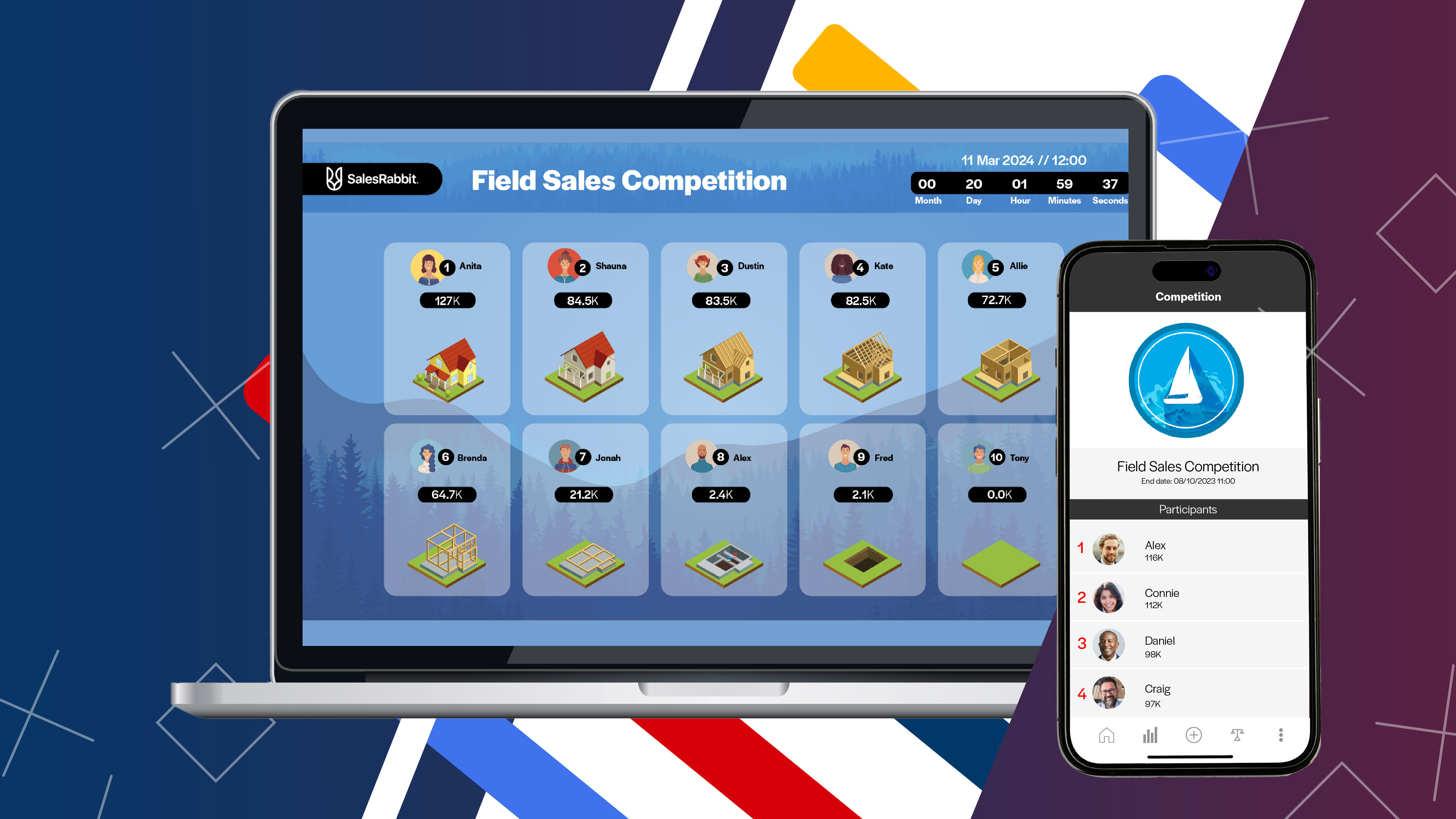
Sales managers can now influence the behaviors they want to see in their team members by rewarding them through a system that efficiently tracks and acknowledges their performance. Competitions, leaderboards, and rewards are all handled without excessive effort or time, allowing managers to seamlessly automate motivation.
Gamification is a versatile software addition that works out-of-the-box with:
Battles and competitions
Achievements and badges
Dashboards/leaderboards
Sales Surround social feeds
Customizable rewards store
SalesRabbit’s Gamification technology also seamlessly integrates into existing tech stacks—like the rest of the SalesRabbit platform—requiring minimal setup effort while providing substantial rewards. By utilizing day-to-day data and actions, Gamification taps into the full potential of each team member and offers direction and opportunity that keeps reps motivated and engaged.
“SalesRabbit’s gamification software aligns with our workplace culture, ensuring that every team member has a chance to shine. We’re excited about using the platform to its fullest potential,” said Clayton Bird, CMO at Aveyo. “We can more easily share the load across all sales reps, not just top performers, allowing us to attract the best sales reps who can find success on our team. There’s always something new to achieve and a path for progression for everyone.”
In a competitive market where sales performance is crucial and rep turnover is prevalent, SalesRabbit’s Gamification promises to revolutionize the way organizations motivate and empower their sales teams. By elevating everyone toward becoming a top-performer, this innovative solution is set to drive sales success and create a more fulfilling and engaging work environment for sales reps.
For more information about SalesRabbit and Gamification, please visit salesrabbit.com.
About SalesRabbit
SalesRabbit is the only fully integrated field sales platform used by 85 thousand salespeople every day. Their software is designed to help sales teams assign areas, track progress, and make the best decisions in the field. With improved visibility, simplicity, and a seasoned approach, SalesRabbit has all the tools salespeople want. Most importantly, they work personally with your company to make sure you’re getting the results you want.
Ben Nettesheim VP of Marketing contact@salesrabbit.com
How to Leverage Bartle Player Types to Achieve Sales Motivation (& Quiz)
Sean Huckstep
In field sales, unlocking motivation is the key to success. Sales managers who take the time to understand the following four player types and use a sales gamification platform can tap into motivation and propel their sales team’s performance to new heights—by as much as 107%.
Whether they know it or not, each member of your sales team is a mixture of the following four player types, and each sales rep has one primary player type that dictates how they are motivated.
Achievers
Explorers
Socializers
Killers
To successfully incorporate gamification into your sales team, it’s important to understand where these player types come from and what they’re all about. For that, take a step back from sales:
From Gaming to Sales: the Power of Player Types
The Bartle player types framework, developed by Richard Bartle in the early 1990s, is useful for categorizing and understanding the different types of players who participate in multiplayer online games: achievers, explorers, socializers, and killers.
Bartle’s theory classifies players into four primary categories, each associated with distinct motivations and behaviors. Understanding player types can be valuable for sales team managers using gamification to ensure an inclusive and successful environment for all types.
Much like in the realm of online gaming, your field sales team is composed of individuals with distinct motivations and behaviors. Associating team members with their player type can help you understand what actions you need to take in order to keep your team motivated.
Achievers and How to Motivate Them
Around 10% of the workforce falls into the achiever category. They’re motivated by earning badges, achievements, and the recognition that comes with them. In sales, achievers prefer having the freedom to choose their own path and focusing on their work. They’re like the poster children of the “Steadiness” personality type, always striving to meet their goals consistently.
For sales managers, helping achievers succeed is quite straightforward. By giving them clear achievements and objectives, such as receiving a badge for reaching their weekly call targets or doubling their goals, you can keep them motivated. With the right incentives, your achievers will consistently deliver outstanding results week after week!
Explorers and How to Motivate Them
Explorers represent another chunk, around 10%, of the workforce. They’re super motivated by discovering new clients or industries to focus on. Typically, explorers have been the ones doing the tough jobs that weren’t highly praised. They reach out to find potential customers, come up with creative ways to address specific problems, and are always ready to tackle hands-on tasks.
Explorers enjoy becoming experts in what they do, but one of the challenges when working with explorers on your team can be helping them with their tendency to keep to themselves.
For sales managers, motivating explorers can be done by creating competitions based on the number of prospects added to a sequence or by offering rewards for targeting clients with a certain revenue potential. Your explorers will uncover some great opportunities in no time.
Socializers and How to Motivate Them
Socializers, who make up a significant 80% of the sales force, are all about winning as a team, craving acknowledgment and praise for their excellent work, and actively participating in all aspects of the sales process. While you might think that their outgoing nature could create challenges in sales, socializers could actually be your secret weapon.
For sales managers, transforming your socializers into a group of closers involves highlighting their hard work on a company-wide platform, introducing programs for peer recognition, and organizing team-based competitions. Peer recognition programs are especially valuable for this large portion of your workforce, as they often take the lead in such initiatives.
Killers and How to Motivate Them
Killers are often seen as the perfect sales representatives. They are fiercely independent, highly self-motivated, and their primary goal is to clinch the next significant sales victory. So, you might wonder, why not assemble a team of just these high-achieving individuals? Well, that’s easier said than done because killers account for less than 1% of the total workforce.
Most sales teams are fortunate to have just one or two of these exceptional performers, and motivating them is as straightforward as launching a competition and watching them shine.
As a manager, you can further maximize the potential of your killers by engaging with them and finding out what kinds of rewards they prefer and whether they are satisfied with the current competition formats in use. Let them have a say in the decision-making process; after all, many sales managers were once killers themselves.
How to Build a Door to Door Sales Team with Gamification
The key to sales team motivation is not only knowing player types, but also incorporating gamification elements into your sales training, process, and culture.
Always Remember:
Recognize that individuals may exhibit traits from multiple player types
Adapt your strategies to create a dynamic and motivated sales team
Tailoring your approach to each team member’s unique motivations and introducing gamified challenges and rewards will empower your team to achieve outstanding sales performance.
The Simplest Way to Use Data-Driven Gamification for Field Sales
Incorporating gamification into your sales team is as easy as using SalesRabbit, the only fully integrated field sales platform. SalesRabbit’s Gamification elevates rep performance up to 107% with Battles, competitions, achievements, badges, dashboards, social feeds, and a reward store.
Gamification provides the motivation your reps want, the analytics you need, and the retention every sales organization struggles to maintain.
Stop Sales Rep Turnover in Its Tracks with Automated Motivation through Gamification
Shawn Jolley
In the world of field sales management, the challenge of retaining talented sales reps can feel like a constant uphill battle. High rep turnover rates disrupt your team’s dynamics, impact your bottom line, and increase recruitment costs. However, there’s a powerful solution that can help you slow rep turnover while building sales team motivation: gamification.
The Rep Turnover Challenge
Rep turnover is a pervasive issue in the field of sales. Many factors contribute to this problem, such as the competitive nature of the industry, the high-pressure work environment, and the constant demand for meeting and exceeding sales targets. When sales reps become disengaged or demotivated, they are more likely to leave their positions.
The consequences of high rep turnover are far-reaching. First and foremost, the disruption of your sales team’s dynamics can affect overall performance. Training new hires takes time and resources away from selling, and it can be months before new team members are operating at peak efficiency. This learning curve results in lost opportunities and revenue. Additionally, the cost of recruitment and onboarding can be significant, putting further strain on your budget.
To address this issue, sales managers must consider long-term solutions that go beyond short-term fixes. That’s where the concept of gamification comes into play.
Sales Rep Performance Increase Using Gamification:
The Bartle Player Types: Applying Game Dynamics to Sales
To understand the concept of motivation, it’s beneficial to consider the Bartle player types. These player types are a framework often applied to the design of multiplayer video games, but they can also be incredibly valuable when applied to sales teams. The four Bartle player types are:
Achievers
These individuals are driven by goals, rewards, and recognition. They thrive on hitting targets and receiving accolades for their accomplishments.
Explorers
Explorers love to learn and try new things. They are curious and enjoy discovering new techniques, strategies, and markets. Let them dig up new sales strategies.
Socializers
Socializers are all about building relationships. They seek to connect with customers on a personal level, making them excellent for building long-term relationships and rapport.
Killers
Killers are competitive and enjoy outperforming their peers. They thrive in high-pressure environments and are motivated by surpassing others.
Understanding the Bartle player types within your sales team can help you tailor your motivational strategies for each individual. For instance, you might reward achievers for hitting targets, provide learning opportunities for explorers, encourage social contests for socializers, and create friendly one-on-one battles for killers. Recognizing and respecting these player types will help reps feel seen and understood, ultimately reducing rep turnover.
The Role of Gamification in Sales Team Motivation
Beyond the Bartle player types, gamification is a powerful tool for sales managers to motivate their teams. By introducing game-like elements into the work environment, you can tap into the natural competitiveness and desire for recognition that sales reps possess.
Here’s how gamification can be applied to boost motivation:
Incentives and Rewards
Create a system of rewards and recognition for your sales team. Offer cash bonuses, trophies, or public acknowledgments for top performers. This appeals to achievers and killers.
Sales Competitions
Set up friendly sales competitions that appeal to the killer mentality. Whether it’s a “Salesperson of the Month” award or a “Race to the Top” competition, these events can ignite motivation.
Learning and Skill Development
For explorers, offer opportunities for skill development and advancement. Use gamification for training sessions, offering certificates or badges for completing various levels of training.
Team Building Activities
For socializers, organize team-building events and activities to foster a sense of belonging. Encourage team members to collaborate, share experiences, and celebrate achievements together.
Leaderboards
Display real-time leaderboards in your sales office, showing individual and team achievements. This not only motivates your killers but also creates a competitive and engaging atmosphere.
The Long-Term Approach to Sales Team Motivation
Investing in long-term sales team motivation isn’t a one-time event; it’s an ongoing process. Here are some strategies to implement and maintain motivation within your sales team:
Individualized Goals
Work with each team member to set personalized goals that align with their Bartle player type. This ensures that each member is working toward something that motivates them personally.
Regular Feedback
Provide constructive feedback and recognition on a consistent basis. Recognizing achievements, no matter how small, can go a long way in keeping your team engaged.
Professional Development
Invest in ongoing training and skill development opportunities. Whether it’s sales techniques, product knowledge, or leadership skills, this shows your commitment to your team’s growth.
Open Communication
Maintain open and honest communication with your team. Listen to their concerns, address issues promptly, and encourage them to share their ideas and feedback.
Celebrate Success
Publicly acknowledge and celebrate the achievements of your team members. This can be as simple as a shoutout in a team meeting or as elaborate as a quarterly awards ceremony.
How to Start Using Sales Gamification?
Incorporating gamification and the Bartle player types into your sales team’s strategy can yield remarkable results. And by using SalesRabbit, you can set gamification up quickly, and the payoff in terms of reduced rep turnover and a motivated, high-performing sales team is worth it. So, go ahead, invest in long-term team motivation and watch your rep turnover slow down.


 Shawn Jolley



 Zac Kerr

 Renee Goodenough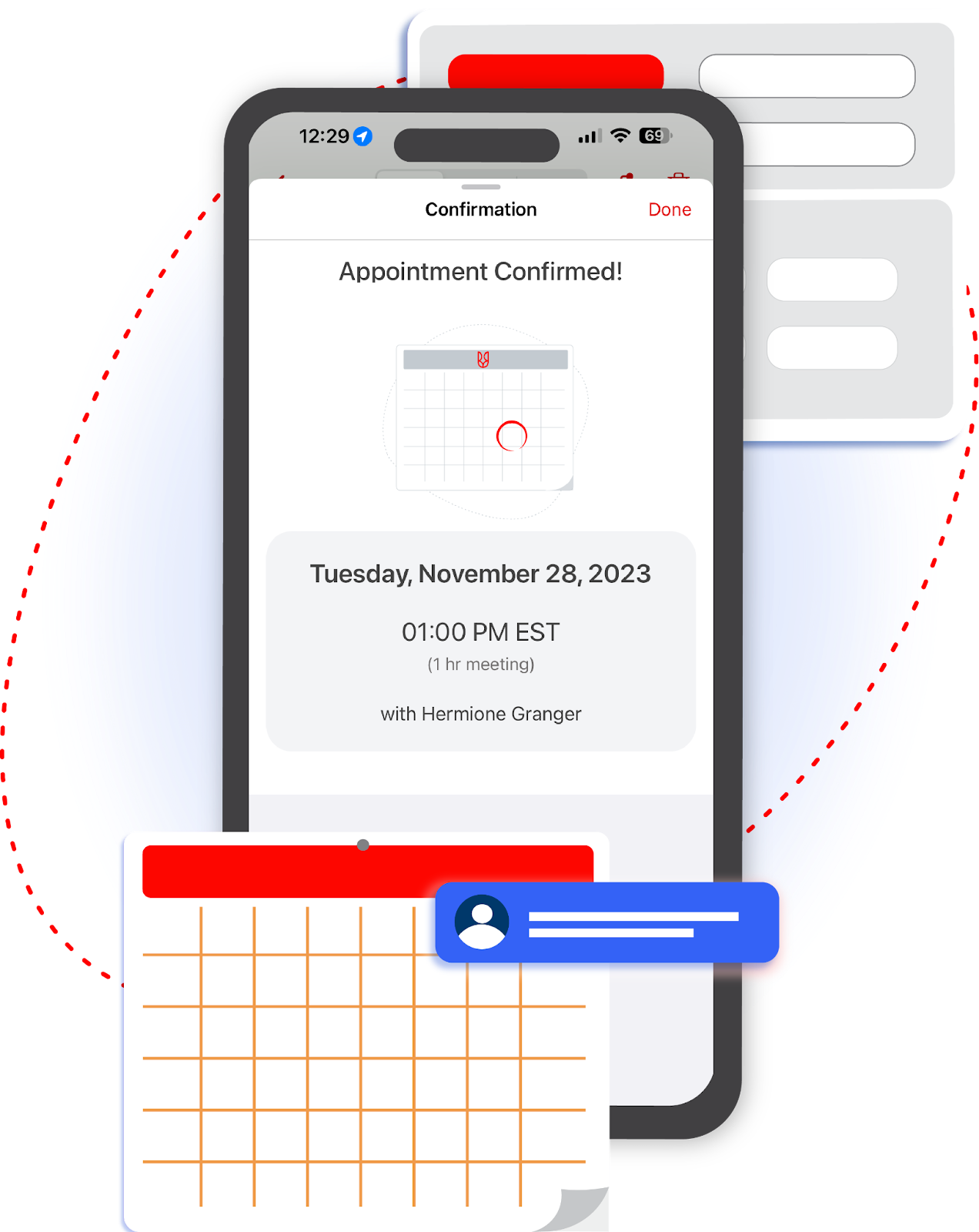


 Sean Huckstep






 Diana May-Jennings










You must be logged in to post a comment.