How Sales Scheduling Best Practices Amplify Your Team’s Success
Sam Dearing
Scheduling may seem like a mundane administrative task, but in the world of sales, it can make or break your success. Proper scheduling can have a profound impact on sales reps and teams, influencing productivity, job satisfaction, customer engagement, and the bottom line. Here are nine ways scheduling best practices matter and how they affect sales reps and teams:
1. Optimized Time Management
Effective scheduling ensures that sales reps spend their time on what matters most—closing deals and nurturing relationships. By minimizing administrative tasks and unproductive downtime, sales reps can focus on high-value activities, leading to increased productivity and more sales opportunities. If scheduling best practices aren’t on your radar, you could be burning time—and—time is money.
2. Balanced Workload
Burnout is a real concern in the high-pressure world of sales. Well-maintained schedules distribute work evenly among sales reps, preventing overload and ensuring that each team member can perform at their best. This, in turn, boosts job satisfaction and reduces turnover.
3. Maximized Client Engagement
Sales reps need to be available when their clients are ready to engage. Strategic scheduling aligns sales calls, meetings, and follow-ups with client preferences and availability. This increases the chances of successful conversions. The setter/closer model can help with engagement.
4. Reduced Conflicts and Double-Booking
Double-booking appointments or scheduling conflicts can be detrimental to sales efforts. Proper scheduling minimizes such issues, reducing stress for sales reps and ensuring they never miss important meetings or opportunities because of human error.
5. Improved Forecasting and Planning
Scheduling best practices provide valuable data on sales activities and outcomes. This data helps sales teams make more accurate forecasts, allocate resources effectively, and plan their strategies with greater precision. If you don’t have good data on rep schedules, how can you improve?
6. Enhanced Collaboration
Sales is often a team effort. Effective scheduling ensures that team members are available for collaborative efforts, from brainstorming sessions to client meetings. This fosters better teamwork and can lead to more successful outcomes.
7. Customer Experience
A well-scheduled sales rep has the time and energy to provide top-notch service to clients. This positively impacts the customer experience, leading to higher customer retention rates and increased referrals.
8. Adaptability to Market Changes
Markets can be unpredictable, but scheduling best practices allow sales teams to quickly adapt to changing conditions. They can allocate resources efficiently and quickly adjust schedules to seize new sales prospects as they arise.
9. Cost Savings
Efficient scheduling can lead to cost savings. It can help reduce unnecessary travel expenses, prevent last-minute chaos, and minimize overtime or excessive hours worked by sales reps. Reps may also find they have more time than they thought when it’s properly organized.
Schedule Your Way to Success
Scheduling best practices aren’t just about managing calendars; they are a cornerstone of sales success. When done right, scheduling optimizes sales operations, improves rep performance and well-being, and drives revenue growth. So, whether you’re a sales manager or a sales rep, it’s time to take a closer look at your scheduling practices and start reaping the benefits they offer. Your team’s success depends on it. 👉Learn how SalesRabbit can help.
As a solar sales rep, your job is to guide customers through the journey of adopting solar energy. One aspect of this process is understanding some of the different financing options available.
Below, you’ll learn some of the more notable distinctions between solar power purchase agreements (PPAs) and solar loans. Armed with this knowledge, you can better answer questions for your clients as they make decisions that align with their needs and preferences.
Understanding Solar Power Purchase Agreements (PPAs)
What Are PPAs and How Do They Work?
Solar power purchase agreements (PPAs) are third-party financing arrangements where a solar provider installs, owns, and maintains the solar panels on a customer’s property. In exchange, the customer agrees to purchase the electricity generated by the solar system at a predetermined rate, usually lower than the current utility rates. Just like every financing arrangement, there are PPA solar pros and cons.
Advantages of PPAs
Zero Upfront Costs
Clients can go solar without making an initial investment, making PPAs accessible to a broader customer base. In some cases, this may be the only financing option that works for a client.
Predictable Energy Costs
PPAs provide stability by locking in a fixed rate for solar-generated electricity, potentially shielding customers from future utility rate increases.
Maintenance Offloaded
The third-party provider takes care of solar panel maintenance, freeing clients from maintenance hassles. Some customers may find peace of mind with this arrangement.
Potential Disadvantages of PPAs
Long-Term Commitment
PPAs typically come with lengthy contracts, spanning 15 to 25 years. Some customers may consider this length of time too long for maintaining a relationship with a third party.
Lack of Ownership
Clients won’t own the solar panels, missing out on tax incentives and the ability to sell excess energy back to the grid. As legislation in solar changes, this may become less of an issue.
Exploring Solar Loans
How Solar Loans Work
Solar loans are traditional financing options where customers borrow money to purchase and install solar panels on their property. They gain ownership of the system immediately and repay the loan over time, similar to a home mortgage.
Advantages of Solar Loans
Ownership and Tax Benefits
Clients own the solar panels, making them eligible for tax incentives and potential earnings from selling excess energy to the grid.
Building Equity
Loan payments help build equity in the solar system, which can enhance the property’s value. In this way, solar can be viewed as part of a property investment.
Flexible Terms
Customers have more flexibility in choosing loan terms that fit their budget. There are many lenders, rates, and terms available for solar loans.
Potential Disadvantages of Solar Loans
Upfront Costs
Solar loans might require a down payment or upfront expenses, which can vary depending on the lender. This may prevent deals from closing.
Interest Rates
The loan’s interest rate impacts overall costs, so it’s crucial to seek competitive rates. Clients should be given information regarding all of their options.
Maintenance Responsibility
As owners of the solar panels, clients are responsible for maintenance and repairs. Depending on the simplicity of the system, this may be a non-issue for many homeowners.
Discussing Solar PPAs and Solar Loans with Clients
While the financing decision is up to the purchaser, reps play an important role in helping clients navigate their solar financing choices with confidence. Discussing these topics early on in the sales process can prevent future surprises and headaches:
Long-Term vs. Short-Term Goals
Consider your client’s long-term commitment to solar. If they plan to stay in their home for an extended period, a PPA might fit their lifestyle.
Budget
Assess your client’s budget constraints and willingness to make an initial investment. PPAs are budget-friendly as they involve zero upfront costs.
Ownership
If clients want to own the solar panels and reap tax benefits, choosing a solar loan instead of a PPA would align with that goal.
Environmental Impact
Both options support renewable energy, but owning the solar panels may give clients a greater sense of control over their environmental contributions.
PPA & Loan Considerations for Commission
Solar sales reps can earn commissions and bonuses from both solar PPAs and solar loans. The key difference lies in the timing and structure of compensation. Solar PPAs may offer more potential for ongoing residuals, while solar loans may involve larger upfront commissions.
Reps should work closely with their employers to understand the compensation structure and tailor their sales strategies to effectively promote both financing options to meet customer needs and maximize their earnings.
Navigate Solar Financing Like a Pro
Your expertise as a solar sales rep on the different financing options available is invaluable in helping clients feel confident in the decisions they make.
Both solar PPAs and solar loans offer unique advantages, so it’s crucial to understand your client’s individual circumstances and preferences when discussing them. By doing so, you can help them know they’ve made the choice that best aligns with their goals.
SalesRabbit Leads the Way in Enterprise Field Sales with 39 Awards from G2 Crowd’s Fall 2023 Report
Zac Kerr
LEHI, UT SEPTEMBER 12, 2023 – SalesRabbit, a seasoned frontrunner in the field sales space, has once more been officially recognized as the leader in field sales software. This recognition comes as the #1 “Leader” badge awarded to SalesRabbit by G2 Crowd in their Fall 2023 reports.
G2 Crowd, renowned for its authority in the software industry, presented a total of thirty-nine badges to SalesRabbit in its Fall 2023 reports. Among these awards, SalesRabbit’s attainment of the #1 leading badge in numerous field sales categories stands as a deep declaration of its unwavering commitment to meet the evolving needs of businesses, whether small or established enterprises.
G2 Awarded 39 Badges to SalesRabbit, Including:
Field Sales Software – Leader
Field Sales Software – Enterprise Leader
Field Sales Software – Small Business Leader
Field Sales Software – Most Implementable
Field Sales Software – Best Relationship
Field Sales Software – Momentum Leader
In a highly competitive landscape characterized by innovation and rapid advancements, SalesRabbit continues to distinguish itself as the premier choice for sales professionals striving to elevate their field sales operations to true enterprise capabilities.
“We’re thrilled to see the SalesRabbit platform resonate with so many customers, and we’re especially excited to see the accelerated success enterprise customers are experiencing,” says VP of Marketing at SalesRabbit, Ben Nettesheim, “The plan all along has been to elevate our largest customers, knowing that finding success there would also benefit our smaller markets. Being a leader in both the Small Business and Enterprise categories is not just a dream come true but a satisfying validation of product planning and direction.”
One of SalesRabbit’s standout features, also recognized in the G2 Crowd reports, is its remarkable versatility in catering to businesses of varying sizes. SalesRabbit earned the “Leader” badge in both the small business and enterprise segments. This highlights SalesRabbit’s adaptability and ability to provide tailored solutions that empower sales teams, irrespective of their complexity.
Likewise, SalesRabbit’s recognition as the “Most Implementable” field sales software emphasizes its user-friendly interface and seamless integration into existing sales processes. Sales teams, across diverse industries, appreciate the platform’s accessibility and efficiency, enabling them to swiftly implement and harness the advantages of SalesRabbit’s comprehensive suite of tools.
Beyond the awards, SalesRabbit’s platform has become the cornerstone for sales representatives seeking to streamline their operations, enhance sales outcomes, and scale their businesses. Its comprehensive suite of features, including lead management, activity analytics, and territory management, empowers sales teams to work more efficiently in the field.
SalesRabbit’s latest success as the #1 leader in field sales software, as recognized by G2 Crowd, reaffirms its position as a trusted and indispensable partner for sales teams. The industry-leading platform is positioned to continue empowering field sales professionals as they aspire to achieve unprecedented success in their businesses.
Visit salesrabbit.com to learn more about the field sale platform’s industry-leading capabilities.
About SalesRabbit
SalesRabbit is the only fully integrated field sales platform used by 85 thousand salespeople every day. Their software is designed to help sales teams assign areas, track progress, and make the best decisions in the field. With improved visibility, simplicity, and a seasoned approach, SalesRabbit has all the tools salespeople want. Most importantly, they work personally with your company to make sure you’re getting the results you want.
About G2 Crowd
G2 Crowd is the largest and most trusted software marketplace, building trust by showcasing the authentic voice of millions of software buyers. More than 80 million people annually—including employees at all Fortune 500 companies—use G2 to make smarter software decisions based on authentic peer reviews. More than 60% of the Forbes Cloud 100 are G2 customers, using it to manage their software spending, grow their business, and ultimately build their reputation.
Ben Nettesheim VP of Marketing contact@salesrabbit.com
What’s Happening in Solar? NEM 3.0 + Rising Interest Rates
Diana May-Jennings
California has been a pioneer in promoting renewable energy, particularly solar power. Over the years, the state has implemented various policies and incentives to encourage the adoption of solar energy systems, including net metering, tax credits, and renewable portfolio standards.
In its early days, solar energy was considered a niche market, embraced primarily by environmental enthusiasts. But, over the years, technological advancements, declining costs, and growing environmental concerns have propelled solar energy into the mainstream. Solar has become a viable and attractive option for homeowners, businesses, and even utility-scale projects.
However, the solar industry is always subject to fluctuations due to a variety of factors, including changes in government policies, economic conditions, and technological advancements; and the most recent fluctuations have come in the form of NEM 3.0. See what’s happening in California, what real solar executives are saying, and what to do next.
First things first; on December 15, 2022, the California Public Utilities Commission (CPUC) issued a decision that changes the way net energy metering works in California. Because of this decision, on April 15, 2023 new solar customers will automatically be enrolled in the new Net Billing Tariff (NBT) where customers will be credited for electricity they export based on its value to the grid.
Based on the CPUC, these changes were made to promote grid reliability, incentivize battery storage, and help to control electricity costs for all Californians.
Net Energy Metering (NEM) 3.0 only affects the three largest investor-owned utilities: Pacific Gas & Electric, Southern California Edison, and San Diego Gas and Electric.
NEM 2.0 vs. NEM 3.0
Keep in mind that NEM 3.0 is not retroactive, so all solar systems installed under NEM 1.0 or NEM 2.0 will remain under their current policy for 20 years from the date they received permission to operate (PTO).
To be “grandfathered” into NEM 2.0, California residents had to have submitted an Interconnection Application for a new solar system by April 14, 2023. Since this date has already passed, all residents will now automatically be under NEM 3.0. The big thing to know is, on average, NEM 3.0 export rates are around 75% lower than the export rates for NEM 2.0. Use this guide for more information on the net energy metering comparison.
Another part to NEM 3.0: fixed-income rates
As if the shift to NEM 3.0 isn’t big enough, California legislators have introduced a new component: fixed-income or income-based rates for power. California’s three largest power companies, Southern California Edison, San Diego Gas & Electric, and Pacific Gas & Electric, have submitted a joint proposal to the state’s Public Utilities Commission to simplify electricity bills to include a fixed-rate billing system based on household income.
Simply put: the more you earn, the more you pay.
The fixed rate will cover “the costs of safely building, maintaining and operating the electric grid, of providing customer support, and the cost of state initiatives to help income-qualified customers and energy-efficiency programs.”
California’s decision to modernize the Net Energy Metering (NEM) solar tariff is meant to equalize the cost of energy among California residents and replace the use of fossil fuels, making for a more eco-friendly process.
Although, many are arguing that this new law defeats the purpose of buying solar since its advantages of saving money are diminished under the new tariff.
According to Commissioner John Reynolds, “Today’s decision will bring rooftop solar into a new and more sustainable age. NEM has left an incredible legacy and brought solar to hundreds of thousands of Californians, but it is also profoundly expensive for non-solar customers and was overdue for reform.”
What solar policy change means for Californians
The decision has no impact on your existing rooftop solar customers, maintaining their current compensation rates.
However, under the new tariff, average residential customers who install solar are reportedly going to save $100 a month on their electricity bill, and average residential customers who install solar paired with battery storage are expected to save at least $136 a month.
With these savings on their electricity bills, new solar and solar plus battery storage customers should fully pay off their systems in just 9 years or less on average.
Applies new residential rates to encourage electricity use when it is most beneficial for grid reliability. These rates have significant differences between peak and off-peak prices to incentivize battery storage and load shifting from evening hours to overnight or midday hours.
Credits solar and solar plus battery storage customers for the electricity they export to the grid based on its value.
Provides extra electricity bill credits to residential customers who adopt solar or solar paired with battery storage in the next five years, which are paid on top of the avoided cost bill credits. Customers are guaranteed these extra bill credits for nine years.
Expands access to solar and storage for low-income customers, residents living in disadvantaged communities, and residents living in California Indian Country by providing a larger amount of extra bill credits.
Increases the allowable size of rooftop solar systems to cover 150% of a customer’s electricity usage to accommodate future electrification of appliances and vehicles.
Does not include any charges specific to solar customers.
In order to support the evolution and growth of the solar industry, California is providing extra bill credits to residential customers who adopt solar over the next five years. Hopefully, allowing California businesses to gradually transition from solar-only sales to solar plus battery storage sales, fostering a stronger local economy.
According to Goodleap, under NEM 3.0 legislation, we’re seeing a 75-80% decrease in the value for solar exports. Meaning that customers under this new tariff receive less value for the solar power they send back to the grid.
It’s hard to say whether the adoption of this change will in fact foster a stronger economy in California like legislation is hoping, but it will significantly impact the future of solar sales in the sunshine state.
So, what does NEM 3.0 mean for your solar business?
Because of this new law, it’s likely your business will see a significant decrease in California solar installation for at least the rest of 2023 into 2024. There used to be a significant advantage to installing solar panels—before this legislation—having solar panels meant huge savings on your energy bills. Now, however, it’s based more on your income than your kWH usage, and exporting to the power grid is no longer as financially rewarding.
While the early solar market primarily focused on selling the idea of going solar, the industry has now reached a critical juncture where selling the technology itself is no longer enough. You have to learn to adapt now. To stay ahead, solar sales organizations must adapt their strategies to emphasize the value and efficiency that solar energy delivers to consumers that are hesitant to purchase.
A Solar CEO’s thoughts on the state of the industry
We all know that there are real changes going on in the solar sales process, but what are actual solar CEOs and executives doing about it? We figured it out for you by interviewing a leader in the solar space: Cody Veibell.
From selling alarm systems door to door to becoming the VP of sales for companies like Vivint, Cody has moved on to a company that was underperforming and helped them boost their revenue and crush all previous sales records.
“Focus on what you can control. You can’t control dealer fees and other necessities of the space. Focus on what you specifically can do to make a change in the market. Build a team that won’t get shook by what’s happening in the industry.”
What other ways can teams create real value for the customer?
“The solar piece is a pretty major transaction for the homeowner. You have to become an important service provider to them. If properly done and managed, you should be in a position to go back and sell them other services and offerings that you may not sell upfront at the time of the solar sale. Then in 6 months, maybe in 12 months, or 24 months you can revisit. You’re gonna build this really valuable customer base and prove a history of going back and upselling them to additional services and offerings, therefore increasing the lifetime value of that client beyond the original economics that you would get from a solar deal.“
“If you take care of your customers and employees you’ll survive these economic changes. Just keep trying to think of ways to create long term customer value. It can be as simple as that.”
What should companies (sales dealers, EPCs, and other solar teams) be doing in terms of cash flow?
“It comes down to leadership. There are EPCs that are running great and sales engines that are running great. If you’re just in it for the money, you’re failing as a company. If you care for your customers you’ll weather the storm. You need the right type of people, in your orgs.”
“As a leader you have to lead by principle. Overextending in incentive plans will set yourself up for failure. If somebody’s paid a little bit less per account, so that we can be profitable, I’ll put in the time to make up the difference. We’ll make up the difference in value. Which you know could be, you know, more people in your organization, or more sales, or drive more volume, or whatever it is. But you have to look at it as being a responsible leader. Focus on keeping a sustainable business model instead of flashy pay. This will naturally attract the right people.”
How can companies reduce expenses without sacrificing growth?
“We spent a lot of time focusing on operations. How can we dial in operations? Automations with our technology. What was tough for us was field operations with installers, electricians sitting on the clocks still. To combat this, we put all of our field employees, electricians, anybody that is customer facing goes to the home on piece pay this year. There was a 40% decrease in employees after this, but the amount of work stayed the same and saved 25% on overhead. We have less people now, but they’re making substantially more.”
What about loans vs. PPAs?
“PPAs don’t mean you can sell more, they mean you can sell differently depending on the customers needs and financial situation. The reps make less selling the PPAs but most don’t know that. PPAs can potentially lead to bad rep and bad customer experience.”
4 Ways to find success selling Solar despite NEM 3.0
Because of this pivot in the solar industry, your solar teams also need to pivot the way they sell their products. While there will be a lot of different techniques that companies find more successful depending on demographics and location, here are some shifts we suggest for solar teams based on what solar executives are saying:
Start selling additional battery storage
Expand to lower-income areas
Start educating your sales team
Invest in the right software
#1 Start selling additional battery storage
For many homeowners, installing a solar battery is not as cost-effective as selling excess energy back to the grid to offset their utility bills. However, because the new laws change how solar energy is bought and sold, solar batteries become the most cost-effective solution for maximizing savings on existing and new solar systems.
Sales teams who embrace change and see the opportunity can get a jump start on the increased demand for batteries before they become too scarce. Since the Solar Investment Tax Credit (ITC) is scheduled to exist until at least 2034, solar batteries can be installed at a discount.
A transition from NEM 2.0 to NEM 3.0 was provided in the form of making adders (like battery storage) worth slightly more than traditional grid storage. This adder level is based on the interconnection year and locked in for the first nine years and your Direct Air Carbon (DAC) storage.
For the customers that make the transition to NEM 3.0, adders will start to decline roughly 20% each year over the next five years, until 2028 when the incentive will be eliminated. This is a small boost, but still results in a fairly low export.
Battery storage emerges as a key solution under NEM 3.0. By storing excess solar energy and utilizing it during peak hours, customers can optimize their savings and enhance their energy resilience. Battery systems offer the advantage of capturing solar energy for use during the evening, when energy prices are higher. These systems can also export stored energy back to the grid during specific hours of high demand, providing an additional revenue stream and higher savings.
#2 Expand to middle to lower-income areas
While solar can be beneficial for everyone, under the new legislation of NEM 3.0, those in a lower-income household are entitled to high export rates when selling their stored power back to the grid. The new legislation is leveling the playing field for those that can purchase solar and sales teams should capitalize on it.
Growth in Texas and Florida has helped to increase the number of middle-income installations in the U.S., in addition to a trend in California toward more installations by middle- and low-income households. Forty percent of new solar adopters in Texas had income below their county’s median level, and37% of new installations in Florida met the same benchmark.
A big part of selling to single households is understanding the benefits and risks of solar loans vs. Power Purchase Agreements or PPAs and which is going to be best for your customer and also for your business.
Solar loans and PPAs are two distinct financing options for individuals and businesses looking to adopt solar energy systems. Both approaches offer unique advantages and considerations, catering to different financial situations and preferences.
A solar loan is a financing option that allows individuals or businesses to purchase a solar energy system upfront while spreading the cost over time through loan payments. This approach provides ownership of the solar panels and the generated energy from the moment of installation. Here are some key points to consider about solar loans:
Ownership and Control: With a solar loan, the customer owns the solar panels and has full control over the system. They are entitled to any incentives, tax credits, and excess energy produced.
Long-Term Savings: Although there is an upfront cost, the savings on electricity bills and potential tax incentives can outweigh the loan payments over time, resulting in long-term financial benefits.
Equity Building: As loan payments are made, the customer builds equity in the solar system. Once the loan is paid off, the electricity generated is essentially free, and the system can continue to produce energy for many years.
Credit and Interest: Eligibility for a solar loan often depends on credit history, and the interest rate can vary. However, many financial institutions offer competitive rates for solar loans due to the tangible asset and potential energy savings.
A PPA is a contract between a solar energy provider and a customer. The provider installs, owns, and maintains the solar system on the customer’s property, and the customer agrees to purchase the generated electricity at a predetermined rate. Here are some key points about PPAs:
No Upfront Costs: One of the main advantages of a PPA is that the customer doesn’t have to pay for the upfront installation costs. The provider covers the expenses associated with the solar panels.
Predictable Payments: With a PPA, the customer agrees to purchase the solar-generated electricity at a fixed rate, providing stability in electricity costs over the contract term.
Maintenance Included: The solar provider is responsible for system maintenance and repairs, reducing the customer’s burden of maintenance-related expenses.
Limited Financial Benefits: While PPAs offer predictable energy costs, customers don’t receive the same financial incentives and tax benefits as they would with ownership. The provider benefits from tax incentives and credits since they own the system.
Contractual Obligations: PPAs typically come with long-term contracts, often spanning 15 to 25 years. Exiting the contract prematurely might come with associated costs.
The choice between a solar loan and a PPA depends on individual financial goals, creditworthiness, and preferences. Solar loans offer ownership, potential for long-term savings, and equity building, while PPAs provide a no-upfront-cost option with predictable payments and maintenance.
Before making a decision, individuals and businesses should carefully consider their financial situation, long-term plans, and the terms of the financing option that best align with their needs and make the financing choice that’s best for both parties.
#3 Make your sales team recession-proof
Nothing hurts more in trying times like these than losing a sale that should’ve gone through. There are always several factors when selling a customer, some that your team can control and others that it can’t (like NEM 3.0). For the times when your team should be able to influence factors with the customer like trust, product knowledge, and tailored pitches, you need to be prepared.
The modern buyer sets aside time, they do the research, and eventually come to a decision, all on their own. No wonder visits from door-to-door reps can feel like an intrusion by comparison. But a rep who is informed and considerate can work with clients in a way that feels comfortable to the customer, whether they have already considered solar or not. You need to aim to prepare your reps no matter the buyer.
Educating sales teams is important for several reasons:
Product and Service Knowledge: A well-educated sales team possesses in-depth knowledge about the products or services they are selling. This knowledge helps them address customer queries effectively, highlight the benefits, and provide accurate information, building trust with potential buyers.
Building Credibility and Trust: When salespeople are well-educated, they are seen as experts in their field. This expertise translates to credibility and trust in the eyes of the customers. Buyers are more likely to make purchasing decisions when they feel confident in the information and recommendations provided by the sales team.
Adaptation to Market Changes: Markets are dynamic and constantly evolving. An educated sales team is better equipped to understand market trends, competitor offerings, and shifts in customer preferences. This enables them to adapt their strategies and messaging accordingly.
Effective Problem Solving: Not all sales interactions go smoothly. An educated sales team can handle unexpected challenges and objections more effectively. They can analyze situations on the spot and provide solutions that align with customer needs.
Maximizing Sales Opportunities: Education helps salespeople identify cross-selling and upselling opportunities. They can present complementary products or services that customers might not have been aware of, increasing the overall value of the sale.
Efficiency and Time Management: Educated sales teams are more efficient in their interactions. They can quickly gauge a lead’s potential and prioritize their efforts, resulting in better time management and higher productivity.
Educating sales teams is an investment that pays off by increasing sales revenue, enhancing customer satisfaction, and fostering a positive company image. Well-informed sales professionals are more than just transactional agents; they become trusted advisors to customers, driving growth for the business.
#4 Invest in the right software
Solar teams are only as successful as the tools they use to canvass, track, and close deals. Large sales teams are especially to the mercy of their software. If your tech stack can’t meet the demands of a large company, you’re setting yourself up for failure.
Aurora Solar, Goodleap, Eagleview, and other leaders in the solar space already offer amazing tools for teams to pitch to their customers confidently, but it’s gotten even better. These resources integrated with the existing ecosystem we have at SalesRabbit, have resulted in a better way for solar teams to create their proposals.
In the past, it’s been harder to compare financing options and get design changes approved faster than 24 hours, but we’ve developed a way to display multiple financing options and no redesign fees or wait times for reps knocking at the doors with a more in-depth Proposals software.
We’re no stranger to the fast-paced changes in the solar industry. That’s why we decided to take the guesswork out of the proposal process. It’s never been easier for teams of any size.
Change is something that is normal for solar. This is how the industry keeps getting bigger and bigger. The rapid change is a sign of growth and our technology is meant to be the growth engine for companies. We’re excited to keep evolving and providing solutions for what the industry needs right when it needs it! —Bosley StFort, Principal Product Manager of Proposals at SalesRabbit
On average, our customers have already seen a 3% increase to their close rates with Proposals. And in solar that can mean thousands of dollars.
What other sales professionals are saying about NEM 3.0
The survival and success of solar companies in the ever-evolving energy landscape hinge upon their ability to adapt and evolve. As the solar industry matures, simply selling solar systems is no longer enough. You have to become a part of the industry conversation to see how others are finding success and what current events are affecting the landscape of solar sales.
Another new development in California power is the PG&E proposed 36.2% increase in electricity rates in Fresno. Pacific Gas & Electric is still seeking approval for the substantial rate increase for 2023. The plan, if approved, hikes throughout the year, including a staggering 23.5% jump in September. California residents are outraged since roughly 25% of the population are living below the poverty line.
Joining forums and discussion boards are the best way to see what else happens with NEM 3.0 but also what other solar professionals predict for the 2024 sales year.
So, are solar panels still worth it in California? Yes, solar is still worth it! Despite the changes in legislation, there are still savings with solar panels for Californians and paired with battery storage, purchasing solar is still a great way to save on electricity over the long term and become more environmentally sustainable.
For sales teams to survive and thrive in the new solar industry, the mantra becomes clear: Adapt, evolve, and offer value. By doing so, solar companies can not only secure their place in the renewable energy market but also contribute significantly to a sustainable future driven by the limitless power of the sun. The time for solar companies to embrace change is now, as they embark on a journey towards continued success and a brighter, greener future.
Download full PDF guide
The Solar Panel Battery Is Your Sales Team’s Best Friend
Shawn Jolley
As more and more homeowners buy solar systems in the United States, sales reps may simultaneously find it easier and harder to sell solar—because what worked last year might not work this year. A great example of this is what is being dubbed The California Solar Recession. Now changes to legislation are posing new challenges for sales teams in different parts of the country; the good news is opportunities still exist in solar sales, with battery storage.
Why Do People Buy Solar Systems?
Before pitching solar batteries, sales reps need to be aware of the reasons why homeowners might be interested in a solar system; this helps them effectively build relationships with individual prospects.
Designing a system based on what’s most important to the customer while addressing energy consumption needs can lead to a win-win outcome for the homeowner, sales rep, and installer. This is essential for selling solar.
Cost Savings: Lower energy bills over time
Environmental Impact: Reduced carbon footprint and clean energy
Long-Term Investment: Solid returns over panels’ 25-30+ year lifespan
Property Value: Increased resale value and buyer attraction
Government Incentives: Tax credits, rebates, grants
Energy Independence: Reduced reliance on external sources
Innovative Technology: Excitement about solar advancements
Energy Efficiency: Lower overall energy consumption
Remote Power: Provides electricity in off-grid locations
Do Solar Customers Need Battery Storage?
For many homeowners, installing a solar battery is not as cost-effective as selling excess energy back to the grid to offset their utility bills. However, as solar adoption increases and new laws (e.g. NEM 3.0) change how solar energy is bought and sold, solar batteries become the most cost-effective solution for maximizing savings on existing and new solar systems.
Solar batteries now offer the most cost-saving benefits for homeowners in California.
Sales teams who embrace change and see the opportunity can get a jump start on the increased demand for batteries. And, since the Solar Investment Tax Credit (ITC) is scheduled to exist in some form or another through 2034, solar batteries can likely be installed at a discount—an easier sell for the next decade.
9 Frequently Asked Questions About Solar Batteries
Many customers are most interested in the long-term cost-saving benefits of solar systems, which is why so many of their questions revolve around solar battery cost and expected efficiency. Here are some of the most frequently asked questions your sales reps will come across.
#1 How Much Do Solar Batteries Cost?
There are two main choices for solar batteries when it comes to residential properties, both of which may be ideal for a customer, depending on their unique household needs:
Lithium-Ion Batteries
These are the most common type of solar batteries and tend to have a higher upfront cost but offer better performance and longer life spans compared to other battery types. On average, residential lithium-ion battery systems can range from $5,000 to $15,000 or more, depending on the capacity and brand.
Lead-Acid Batteries
These batteries are less expensive upfront but have shorter lifespans and higher maintenance requirements. Residential lead-acid battery systems can cost around $1,000 to $5,000, but keep in mind that they may need replacement sooner, potentially leading to higher long-term costs, depending on use.
#2 How Long Do Solar Batteries Last?
Solar battery lifespans typically range from five to fifteen years, with lithium-ion batteries being the most popular residential choice for lifespan, lasting around ten to fifteen years. Factors like depth of discharge, usage patterns, temperature, maintenance, and manufacturer quality influence how long a battery will last. Proper care and monitoring can help extend its lifespan.
Reps should be aware that the lifespan of a solar battery does not mean it becomes non-functional after that period. Instead, it refers to the point where the battery’s capacity has degraded to a certain level (often around 70-80% of its original capacity), which may no longer meet the energy storage needs. Some customers may choose to replace the battery at this point, while others may continue using it, opting to wait until the battery’s capacity is lower before replacement.
#3 How Much Energy Can a Solar Battery Store?
The amount of energy a solar battery can store depends on its capacity, which is measured in kilowatt-hours (kWh) (see next question). The capacity of a solar battery can vary widely based on its size, technology, and manufacturer. Residential solar battery systems typically range from around 1 kWh to several tens of kWh in capacity.
Small-Scale Batteries
Smaller residential batteries might have capacities ranging from 1 kWh to 5 kWh. These batteries are often used to store excess energy generated during the day for limited use during the evening or in case of power outages.
Medium-Scale Batteries
Medium-sized batteries could have capacities between 5 kWh and 20 kWh. These systems can provide more backup power and store a significant amount of excess solar energy, for longer power outages or higher energy demand.
Large-Scale Batteries
Larger residential or commercial batteries can have capacities exceeding 20 kWh and can even go up to several hundred kWh. These systems are suitable for larger homes, businesses, and properties with higher energy consumption.
It’s important to note that the capacity of a solar battery determines how much energy it can store and discharge. The battery’s capacity, along with the power output it can provide (measured in kilowatts), determines how many appliances and for how long the battery can supply power during an outage or when the solar panels aren’t producing energy.
When considering a solar panel battery, homeowners should evaluate their energy usage patterns, the size of their solar panel system, and their specific backup power needs to determine the appropriate battery capacity for their situation. Taking your time to understand the household can help sales reps make an informed decision about the right battery size for their customer’s needs.
#4 What Is a Kilowatt-Hour (kWh)?
A kilowatt-hour (kWh) is a unit of energy commonly used to measure electricity consumption or production over time. It represents the amount of energy used or generated when a device with a power rating of one kilowatt (1 kW) operates continuously for one hour.
So, if you have a device that consumes 1 kilowatt of power and you let it run for an hour, it will consume 1 kilowatt-hour of energy. Similarly, if you have a solar panel system that generates 1 kilowatt of power and it operates for an hour, it will produce 1 kilowatt-hour of energy.
The kilowatt-hour is a fundamental unit for measuring and billing electricity usage. A customer’s monthly electricity bill is often based on the total number of kilowatt-hours of electricity they consume during a billing period. It’s a way to quantify the amount of energy used or generated and helps individuals, businesses, and utility companies manage energy resources and costs.
#5 How Much Energy Is Typically Generated by a Solar System?
Solar panel systems are rated in kilowatts (kW), which represents the energy they can generate during one hour of peak sunlight. For instance, a 10 kW solar system can ideally produce 10 kWh of electricity per hour. Given that conditions are not always perfect, a performance ratio of 75% is typically considered.
The average daily peak sunlight hours range from 3.5 to 5.5 across the US. To determine the daily output of a solar system, multiply its capacity by the sunlight hours and the 0.75 performance ratio.
For instance, calculating the daily output of a 10 kW solar system receiving 5.5 peak sunlight hours per day would be:
10 kW solar system x 5.5 sunlight hours per day x 0.75 performance ratio = 41.25 kWh per day
In most cases, this output is ample for powering essential electrical systems and replenishing several 10 kW batteries for overnight use. However, electricity requirements differ from one household to another so be weary of making specific promises to customers.
#6 How Will a Solar Battery Affect Energy Bills?
Energy billing needs to be addressed on a case-by-case basis because of the many variables involved, but here are some reasons why your customers will see their energy bill decrease:
Energy Storage
When your solar panels generate more electricity than your home is using, the excess energy can be stored in the solar battery instead of being sent back to the grid. This stored energy can then be used when the sun isn’t shining, such as during the evening or on cloudy days.
Time-of-Use Savings
Many utility companies have time-of-use pricing, where electricity is more expensive during peak hours. A solar battery allows you to store energy during off-peak hours when rates are lower and use that stored energy during peak hours to avoid higher costs.
Reduced Grid Dependence
With a solar battery, you can draw from your stored energy during times when your solar panels aren’t producing enough electricity, such as at night. This reduces your need to purchase electricity from the grid, leading to lower energy bills.
Backup Power During Outages
Solar batteries can provide backup power during grid outages, ensuring that essential appliances continue to function. This can prevent the need to rely on expensive and polluting backup generators.
Maximizing Self-Consumption
By storing excess solar energy for your own use, you can increase your self-consumption rate, which measures how much of the solar energy you generate is actually used within your home. This can further reduce your need to buy from the grid.
#7 Can a Solar Battery Power the Whole Home?
The short answer is yes, however, even a fully charged solar battery may not be able to power a residential home that has AC running for an entire night (installing a battery with a large capacity is important if HVAC needs to be running since most AC units use 3 kWh per hour). And, if the battery is depleted to low levels on a regular (nightly) basis, this will shorten the lifespan.
Being aware of how the battery is intended to be used and for how long is extremely important in meeting customer needs and desires. Whether a solar battery storage solution is cost-effective depends on how often it is used, how quickly it is depleted, how far it is depleted, whether or not there is any reliance on the traditional power grid, and if weather/sun conditions are consistent.
#8 What Happens During Power Outages?
In the event of a power outage, provided your home battery is fully charged, you can utilize a significant portion of the stored kWh of energy.
However, you should reserve a minimum charge of 5-10% in the battery for a couple of reasons:
For the overall health and longevity of the battery
So the solar inverters can start in the morning and recharge the battery using solar energy
The advantage of combining solar panels with battery storage lies in the creation of a personal, miniature power source for your home. This becomes particularly valuable in extended power outages of up to three days. Without battery storage, utility companies may disable your solar system to protect workers repairing the grid from potential electricity backflow. However, with battery storage, your system can operate even when the grid is offline.
#9 Will the Battery System Work with Existing Solar Panels?
Most existing solar panels can be attached to a battery, but the costs will vary depending on how the original system was installed. A new inverter/converter may be needed in addition to the battery, as well as wiring, which will result in labor charges when installed professionally.
Overall, this is great news for sales reps looking for opportunities in solar-heavy markets with many existing systems. Homeowners with panels are already sold on solar, and they will likely benefit from a battery, which makes them ideal customers for new storage solutions.
How Solar Sales Teams Can Sell More Batteries
The sales teams that will see the most success in the solar industry are the ones that showcase their knowledge, expertise, and products in the most convincing way. Customers expect efficiency and competency when investing thousands of dollars into a solar system.
Designing and installing solar systems in tandem with the homeowner is essential for success, and pitching batteries is made easier with cutting-edge solar sales tools. SalesRabbit gives teams everything they need to find and close more deals in any market.
Arming yourself with the right tips and tricks can make a significant difference in your door to door sales performance. It’s not about who you are or where you’re starting from—with the right guidance, anyone can elevate their game. By learning proven strategies and practical insights, you can enhance your approach and increase your chances of success. Whether you’re an experienced pro aiming for better results or a newcomer looking to make a mark, these tips offer a straightforward path to improving your door to door sales game.
How to Succeed in Door to Door Sales
Door to Door Video Transcript
“If we were to give advice on what it looks like to be successful in the door to door space—whether you’re an individual sales rep or a company—the first step should always be to align yourself with a successful leader. Someone who has already proven themselves to be very successful in door to door. They don’t have to know exactly what you sell, your product, or service, but they have to have cut their teeth in door to door sales and were successful with it.
“Typically, we’ve seen this success transfer over. Now, if you fail to align yourself with a successful leader, you will stumble across two problems. Number one, you won’t get adequate training. They won’t be able to guide you from point A to point B because they’ve never done it themselves.
“Second, it’s important that they can create an environment that allows you to be successful. This involves not just instilling a belief system about what constitutes good production, but also providing a constant stream of valuable content within the office walls. This content ensures that you can overcome obstacles as a business owner.
“Without the right leader, you’ll continually spin your wheels, trying to gain traction that you simply can’t find because they are the wrong person in the wrong seat on the bus. This means you’ll need to compensate for the poor leadership and do the heavy lifting yourself. You’ll expend resources, money, and energy trying to make up for the deficiencies in the leader you’ve chosen.
“Now, once great leaders are established within a company, it’s crucial to support them with three specific tools that will empower your sales reps and managers to be effective. Firstly, you need to arm your people with exceptional training content.
“Sales reps consume material in various ways, so a mix of written content and video training is ideal. SalesRabbit offers a fantastic out-of-the-box solution with SalesRabbit Learn. As a business owner, your role is to supplement that content with specific product information, equipping your reps accordingly.
“Secondly, reps need a seamless process for onboarding new customers. If someone’s interested, you should be able to sign them up effortlessly. SalesRabbit has you covered here too, providing integrations with your company’s CRM and even offering ways to execute agreements, making signing up as easy as a finger tap.
“Lastly, consider empowering your sales reps with key customer information before they knock on a door. Having insights about the customer gives them a significant edge. SalesRabbit leverages public information populated within the app, providing details about the family’s tendencies and even their names. A connection can be established on a much greater level when you address someone by their name.
“Of course, this just scratches the surface of the strategies and tools that ensure success in the door to door arena. My suggestion is to seek out as much valuable content as possible. This effort will guarantee a successful career in door to door sales.”
8 Tips to Be a Successful Salesperson
Here are some more techniques and strategies you can use to be more effective in field sales:
1. Efficiently Reach a “No”
Understand that achieving a 100% closing rate is unrealistic. Embrace the idea of getting to a “no” quickly when a prospect isn’t a good fit. This enables you to focus your efforts on prospects more likely to convert, increasing your overall success rate.
2. Solution Over Product
Remember, customers are seeking solutions to their pain points. Tailor your approach to showcase how your product solves their problems and enhances their life. Avoid merely listing product features; emphasize how the transformative benefits will actually impact their situation.
3. Guide with Next Steps
Clear communication is paramount. Provide a structured path for your clients to follow. By offering well-defined next steps, you streamline the buying process, ensuring that deals progress smoothly and swiftly.
4. Become a Trusted Advisor
Develop strong client relationships by prioritizing their needs. Act as a trusted advisor, demonstrating genuine concern for solving their challenges rather than focusing solely on making a sale. This establishes trust and reinforces your credibility.
5. Engage Decision Makers First
When entering a potential client’s space, aim to engage decision makers right away. Cut through layers of bureaucracy by getting in front of those who hold the authority to make purchasing choices. Time is valuable for everybody, so do your best not to waste it.
6. Highlight Specific Outcomes
Distinguish yourself from standard sales pitches by focusing on concrete results. Paint a vivid picture of the positive outcomes your product can deliver, demonstrating its true value. Leading with proven outcomes in your messaging can be the hook your prospects need to hear.
7. Unearth Unique Challenges
Tailor your approach to each prospect’s specific challenges. Dig deep into their pain points, showing that you’ve taken the time to understand their situation thoroughly. Boilerplate pitches and sales copy won’t go as far as meeting your prospect on their individual level.
8. Present Multiple Pricing Options
Provide flexibility in your pricing strategy. Offering multiple options allows the client to choose a package that aligns with their needs and budget, increasing the likelihood of closing the deal.
Find Success in Door to Door Sales
By embracing these door to door sales tips, you’re poised to become a more effective and successful sales professional. Each tip adds a layer of understanding and refinement to your approach, ensuring that you navigate the challenges of the industry with confidence.
Making Sales and Customer Engagement Easier: How SalesRabbit and PortalCX Work Together
PortalCX
Managing sales and customer relationships is no small task, and the right tools can make a world of difference. According to research from Salesforce, 79% of customers say the experience a company provides is as important as its products or services. That’s a huge deal! Enter SalesRabbit and PortalCX, two tools that, when integrated, can take a lot of the hassle out of sales and customer engagement.
This article will cover how the integration works and six ways it helps improve customer experience.
How Does the PortalCX and SalesRabbit Integration Work?
The integration between SalesRabbit and PortalCX is all about collaboration and synergy. SalesRabbit, a platform designed to help sales teams optimize their strategies from lead to close, joins forces with PortalCX, a platform focused on project tracking and customer engagement.
When integrated, the sales details captured in SalesRabbit can be directly transferred into PortalCX, allowing for a smooth transition between selling and engaging with customers. It’s like having two experts in a relay race, passing the baton without losing speed.
This blend eliminates the need for redundant data entry and opens doors to insights that can make sales pitches more tailored and effective. Real-time updates on project progress from PortalCX enhance transparency, and automated communications allow support teams to focus on more complex issues.
6 Benefits of the SalesRabbit + PortalCX Integration
Do you want to offer your customers a peak experience from the point of sale to installation? Here are six ways that integrating PortalCX with SalesRabbit can help you create a customer-centric business that works better for everyone involved:
1. No More Data Entry Nightmares
We’ve all been there—typing in the same customer information over and over. With SalesRabbit and PortalCX, you don’t have to. All your sales details can move from one system to the other with a click. It saves time and keeps your customer data up-to-date and accurate.
2. Smarter Sales Strategies
Imagine knowing exactly what your customers want. SalesRabbit helps you manage leads, while PortalCX helps you understand your customer’s behavior. Combine them, and your sales teams have a roadmap to make pitches that truly resonate.
3. Keep Everyone in the Loop
Nobody likes to be left in the dark. PortalCX gives real-time updates on how projects are going. Whether it’s your sales team, project managers, or the customers themselves, everyone can see what’s happening. It’s like having a shared progress report that anyone can check.
4. Happier Customers
A happy customer is a loyal customer. By using SalesRabbit to optimize sales and PortalCX to track projects, you’re creating a one-stop platform that keeps your customers informed and involved. They know what’s going on, and that makes them feel good about doing business with you.
5. More Time for the Tough Stuff
When PortalCX handles routine queries, your support teams can breathe a sigh of relief. They can spend their time solving the big problems, not answering the same questions again and again. That’s a win for them and a win for your customers.
6. Managing Projects Like a Pro
Got a lot of projects? No problem. With sales data and project updates all in one place, you can keep an eye on everything at once. It’s like having a dashboard for your entire business, helping you steer everything in the right direction.
Put the PortalCX Integration to Work for You
The SalesRabbit and PortalCX integration isn’t about fancy tech. It’s about making things run smoothly, keeping customers happy, and giving you a clearer view of what’s happening in your business.
If you want to simplify sales, make installations go smoother, and keep your customers coming back, this integration could be the key. It’s like having an extra pair of hands helping you, letting you focus on what you do best: growing your business.
The Importance of Software Integration for Consolidating Your Tech Stack and Scaling Sales Operations
Sam Dearing
In the fast-paced and competitive business landscape, a streamlined sales process can make all the difference between success and stagnation. As companies grow, so does the complexity of their sales operations. Handling various tools, platforms, and systems independently can lead to inefficiencies, duplicated efforts, and a drain on valuable resources. This is where sales software with robust integrations proves invaluable, offering a comprehensive solution to consolidate your tech stack and pave the way for scalable sales operations.
Integrated Tools Allow for Consolidated Data and Saved Time
One of the most significant advantages of utilizing a sales platform with strong software integrations is the ability to centralize critical sales data and processes. With a connected tech stack, there’s no need to toggle between multiple applications and manually transfer information from one system to another. Instead, all your tools harmoniously communicate and share data, eliminating redundant data entry and minimizing the risk of errors.
Imagine a scenario where a potential client contacts your sales team seeking information about a specific product or service. In the absence of integration, your representatives might need to switch between multiple platforms to retrieve the necessary data, leading to delays and potential inaccuracies. However, with a consolidated tech stack, they can instantly access all relevant information from a single interface. The result? An impressive display of responsiveness and professionalism, setting the stage for a positive customer experience from the first interaction.
The benefits of centralized sales data extend to the post-purchase phase as well. With a complete view of each customer’s history and preferences, your team can deliver personalized post-sales support and tailor future offerings to align with their unique needs. This level of personalization fosters customer loyalty, as clients feel valued and understood, increasing the likelihood of repeat business and word-of-mouth referrals.
“[Tool sprawl] can lead to inefficiencies from a cost perspective, but also from an operational one because using more tools correlates to more time and expertise necessary to manage them.”
Expanding Businesses Rely On Integrations to Effectively Scale
As your sales organization expands, so does the volume of administrative tasks. Manual data entry, lead management, and reporting can consume valuable resources and hinder your team’s ability to focus on building relationships and closing deals. By integrating your sales tools with a single platform, your sales team can prioritize engaging with prospects and customers, understanding their needs, and tailoring personalized solutions that drive conversions.
When your team dedicates more time to meaningful interactions with prospects, they gain a deeper understanding of their needs and pain points. Armed with the most complete data and insights, reps can effectively position your offerings as the ideal answer to their challenges. And by shifting focus from repetitive administrative tasks to meaningful relationships, your sales team establishes trust and credibility, elevating connections and driving conversion.
Over time, your sales organization will need to scale: this is when the adaptability of an integrated platform becomes increasingly invaluable. Combining new tools or onboarding new team members becomes a seamless process, as they can seamlessly integrate with the existing system. This flexibility ensures that your sales operations remain agile, allowing you to respond swiftly to market changes and stay ahead of the competition.
An Integrated Tech Stack Makes for a Competitive Business
A consolidated tech stack enhances visibility and transparency across your entire sales process. Real-time data sync between integrated tools ensures that sales reps and managers have access to the latest information on leads, opportunities, and performance metrics. This data-driven approach allows for quicker decision-making, timely adjustments to sales strategies, and the ability to seize opportunities in a rapidly changing market.
The benefits of real-time data sync extend beyond individual sales interactions to the overall sales pipeline management. With a consolidated tech stack, your team gains a holistic view of the sales funnel, including the status of leads, deals in progress, and potential bottlenecks. This bird’s-eye perspective allows sales managers to forecast revenue accurately, allocate resources wisely, and optimize the sales process for maximum efficiency and conversion rates.
Moreover, the ability to monitor real-time performance metrics empowers sales managers to recognize and reward top-performing reps promptly. Acknowledging and celebrating success fosters a positive sales culture, motivating the entire team to excel and strive for excellence. On the flip side, real-time insights into underperforming areas enable targeted coaching and support, empowering sales reps to improve their skills and close more deals.
In a rapidly changing market, the ability to seize opportunities swiftly can make or break a business. By leveraging a consolidated tech stack, your sales team can react promptly to emerging trends, capitalize on competitor weaknesses, and adapt to dynamic customer preferences. Real-time data sync enables your organization to be proactive rather than reactive, positioning you as a market leader with the ability to capitalize on market shifts.
“Integration is crucial to the success of any application, especially within enterprise organizations. Its prerequisites are a bridge between SaaS applications and data warehouses, entitlement, authentication, billing systems, a system-of-record, and on-premise applications.”
Integrations Support Human-Focused Customer Communication
Throughout the sales process, integration streamlines communication and collaboration, ensuring that no opportunities slip through the cracks. As prospects move through the sales funnel, they may interact with different team members or engage with various departments. A consolidated tech stack keeps everyone on the same page, enabling seamless handovers and consistent messaging. This approach leaves customers feeling valued and understood, eliminating the frustrations that can arise from miscommunications or repetitive explanations.
Post-purchase support is equally critical in nurturing customer satisfaction and loyalty. Integrated systems provide a holistic view of each customer’s journey, allowing your customer support team to deliver proactive and personalized assistance. By promptly accessing a customer’s purchase history, interactions, and preferences, your support representatives can offer relevant solutions and address issues with speed and accuracy. This level of attentiveness showcases your commitment to providing exceptional customer experiences, fostering trust and loyalty that extends far beyond the initial sale.
Integrations also facilitate proactive engagement and communication throughout the customer lifecycle. Automated triggers and personalized follow-ups ensure that your team reaches out at precisely the right moments, such as for account updates, service renewals, or upsell opportunities. By demonstrating that you value and remember your customers’ needs, you create an atmosphere of care and consideration that leads to enduring loyalty and advocacy.
The benefits of a cohesive customer experience are far-reaching. Satisfied customers are more likely to become brand advocates, sharing positive experiences with friends, family, and peers. This word-of-mouth promotion amplifies your brand’s reputation and attracts new prospects, creating a virtuous cycle of growth driven by customer satisfaction.
Start Taking Advantage of Software Integrations
Businesses that use tools, systems, and platforms that aren’t integrated create a challenging environment for growth and expansion. Consolidating sales efforts and other operations onto a unifying platform with robust integrations can be a cost-effective way to improve almost every aspect of your business while gaining the ability to effectively scale at every turn. Consider consolidating your current tech stack by using a fully integrated sales platform.
How Sales Tools Impact Sales Team Motivation
Sean Huckstep
In today’s fast-paced business environment, having the right sales software can make a significant difference in the success of a company. However, acquiring revolutionary sales software is just the first step. The true challenge lies in ensuring that your sales representatives consistently and effectively use the software. Getting reps to use new sales tools can be an uphill battle, especially if the software has a clunky user interface that makes it frustrating to deal with.
Why User Interface Design Is Important for Motivation
User interface (UI) design plays a crucial role in the adoption and utilization of sales software. A clunky and unintuitive UI can be a major obstacle, hindering user engagement and productivity. It can lead to frustration, resistance to change, and ultimately, a reluctance to fully embrace the new tools. On the other hand, an intuitive and user-friendly UI can transform the user experience, making the adoption of new sales tools not only easy but enjoyable as well.
When choosing sales software, it’s important to prioritize a clean and intuitive UI that aligns with the needs and expectations of the sales team, so everyone feels motivated to use it.
A study on software and usability concluded in part that: “[A] user-centric approach not only increases the effectiveness of innovation but also enhances user adoption and satisfaction, ultimately leading to improved business outcomes…” showing the connection between a user’s or rep’s ability to use software and whether company goals are impacted.
5 Ways User-Friendly Sales Tools Revolutionize Motivation, Adoption, and Usage
1. Menus You Don’t Have to Think About
An intuitive UI simplifies navigation, ensuring clear and logical pathways for users to access different features and functionalities. When the navigation is instinctive, sales representatives can swiftly find the information they need, saving valuable time otherwise spent on learning and searching for specific tools within the software.
With this time saved, sales reps can shift their focus to their core objectives: building relationships and closing deals. The intuitive UI empowers them to be more efficient and productive in their day-to-day tasks. They no longer get lost in complex menus and buttons but can seamlessly navigate the software, effortlessly accessing the necessary tools and information to engage with prospects and clients.
By streamlining the user experience, an intuitive UI allows sales reps to invest their time in meaningful interactions, such as crafting personalized pitches and addressing customer needs. This heightened efficiency not only boosts individual sales performance but also contributes to the overall growth and profitability of the business. With confidence in navigating the software, sales representatives understand that every click brings them closer to achieving their targets and exceeding customer expectations.
2. Software You Can Understand at a Glance
Beyond menus and navigation, when sales reps are presented with a visually appealing and well-organized UI throughout the entire sales platform, it can have a significant impact on their understanding and productivity.
The strategic use of visual cues, such as icons, color schemes, and typography, becomes like a sales compass, guiding reps through the software’s features and functionalities. These cues help sales reps quickly identify and navigate to important elements, creating a sense of familiarity and consistency that makes the software feel easy to comprehend.
But a great UI for sales reps goes beyond just visuals. It also incorporates contextual help and tooltips, acting as knowledgeable assistants that provide valuable information and guidance in the sales process. Whether it’s understanding a specific feature or receiving tips to optimize their selling strategies, these context-sensitive prompts offer timely support, ensuring that sales reps can fully grasp the software’s capabilities and leverage them in their day-to-day activities.
By combining visual clarity with contextual assistance, a well-designed UI empowers sales reps to unlock the full potential of the software. It streamlines their workflow, reduces the learning curve, and enables them to quickly become proficient in using the software’s tools.
This user-centric approach helps reps stay focused on their core objective of closing deals. With a sales tool that strikes the right balance between visual appeal and helpful guidance, sales reps can maximize sales performance, deliver exceptional customer experiences, and drive growth.
3. A Platform that You Can Make Your Own
When sales reps are given the freedom to customize the UI according to their preferences and workflow, it makes a world of difference in user adoption. Sales software that offers flexible layouts, customizable dashboards, and personalized settings empowers individuals to create a workspace that suits their unique needs and preferences. They have the ability to rearrange elements, prioritize the most important information, and design a setup that aligns perfectly with their working style.
This high level of customization plays a key role in fostering a positive user experience and driving consistent usage. It’s like having a software that adapts to the user, rather than the other way around. When users feel a sense of ownership over their workspace, it cultivates a feeling of comfort and familiarity. It’s like slipping into a pair of well-worn shoes that fit just right—using the software becomes effortless, enjoyable, and second nature. This personal touch not only enhances user satisfaction but also deepens the connection between the user and the software. Reps become more invested in its success, more motivated to explore its full potential, and more inclined to incorporate it into their daily routine.
By granting reps the ability to personalize their UI, sales software transcends being a mere tool. It becomes an extension of their individuality and workflow. It’s like having a virtual sales assistant that understands their specific needs and supports them every step of the way. This level of customization creates a mutually beneficial scenario where reps feel empowered and valued, while the software becomes an indispensable asset in their sales toolkit. The result is a harmonious partnership that drives productivity, efficiency, and success.
4. Integrations to Use with Your Existing Tech Stach
When a sales tool seamlessly integrates with other software and technology commonly used by representatives, it transforms their productivity in remarkable ways. Imagine a world where the sales software effortlessly connects with CRM systems, email clients, and communication platforms, eliminating the need for tedious manual data entry. No longer do sales reps waste valuable time transferring information between different applications or dealing with data inconsistencies. Instead, the UI becomes the bridge that synchronizes data seamlessly, ensuring that all information is always up to date and readily accessible.
This seamless integration becomes a game-changer for the sales team. It streamlines their workflow, removing unnecessary steps and complexities, and allowing them to focus on their core strengths—engaging with leads and closing deals. With the power of data synchronization and automation at their fingertips, the integrated tech stack becomes a trusted ally that supports their sales process, rather than adding additional burdens to manage.
And, the integration of the sales platform with other software and tools eliminates friction and encourages regular usage. Reps don’t need to juggle between different applications or navigate multiple logins. Everything they need is seamlessly accessible within the sales software, creating a smooth and uninterrupted workflow. This streamlined experience becomes an essential part of their daily routine, driving consistent usage and maximizing the value of the sales tool.
5. Gamification and Rewards to Motivate Your Team
A well-designed UI that incorporates gamification elements revolutionizes the user experience of sales software. By introducing features such as leaderboards, achievement badges, and progress tracking, the UI taps into employee motivation and transforms the adoption and utilization of the software into an engaging and rewarding journey.
Imagine sales reps being able to see their rankings on dynamic leaderboards, showcasing the top performers and fueling a healthy spirit of competition. Achievement badges serve as visible tokens of success, rewarding users for reaching milestones and accomplishments. Progress tracking provides a visual representation of their journey toward sales excellence, motivating them to strive for continuous improvement.
By infusing the UI with gamification, a sense of community and camaraderie emerges among users. They can connect with peers, share achievements, and participate in friendly challenges. This collaborative environment not only enhances user adoption but also strengthens the overall sales team dynamics, fostering a supportive and engaging atmosphere.
And, gamification enhances consistency in using the sales software. With the element of fun and reward, reps are naturally inclined to incorporate the software into their daily routine. It becomes an enjoyable habit, a source of sales motivation rather than a mundane task. This consistent usage translates into better familiarity with the software and ultimately higher productivity.
When researching whether shoppers would use applications for shopping and purchasing, a study found that: “…UI design quality, conciseness, and consistency, of mobile shopping applications had significant direct effects on the usability of the applications as well as on the intention of users to use the applications to shop.” It’s no wonder a friendly user interface and experience should be high up on the priority list when adopting sales software to increase reps performance.
Don’t Let UI Design Affect Your Bottom Line
While acquiring revolutionary sales software is crucial, ensuring consistent usage among sales representatives is equally important. The design of the user interface plays a pivotal role in driving user engagement and adoption. By prioritizing an intuitive, user-friendly UI, sales software can be transformed from a daunting obstacle into a valuable tool that sales representatives not only use consistently but also enjoy using. This leads to increased productivity, improved sales performance, and a competitive edge in the business landscape.
Why Customer Service is So Bad without Humans
Mike Hilverda
In today’s digital age, it can be a real pain in the neck to find a phone number on a company’s website when you’re having a problem with a product or service. And let’s be real, actually getting to talk to a human? That feels like finding a needle in a haystack!
Many companies these days are all about automation. They love those fancy automated systems that promise efficiency and cost savings. But here’s the catch: those systems often prioritize speed over human connection. So, finding a simple phone number to call and talk to a real person becomes a frustrating scavenger hunt.
Moving to a fully automated chatbot system for customer service may sound enticing to businesses looking to cut costs, but many consumers across the U.S. and U.K. are concerned about not having the option to talk to a real person when needed. About 60% of users stop using a chatbot simply because their problem is too complex for AI’s cookie-cutter solution.
Truth be told, many companies are actually playing hide-and-seek with their contact information. They intentionally bury it deep within menus, force you to navigate through endless website pages, or push self-service options like nobody’s business. They’re actively trying to reduce the number of calls they receive and encourage you to figure things out on your own.
But what about good old-fashioned human help?
No Humans, No Understanding
Automation is great for some things, but it’s not so great at understanding your unique problem or showing empathy. It gives you pre-determined responses that might not cut it for your specific situation. And let’s face it, that lack of personal touch can leave you feeling frustrated and unheard. Navigating a loop of unhelpful menus also wastes a ton of time.
We’ve all been there: stuck dealing with a frustrating phone tree or chatbot, feeling like you’re wasting precious time that could be better spent on finding a resolution to your problem. You just want someone who understands your situation and can offer a solution tailored to your needs. That’s where the human touch shines.
But lack of human understanding isn’t stopping companies from pursuing AI-generated advice, hoping to bridge the gap between automated, cookie-cutter responses and the need for a real human on the other end of the conversation. Responses are mixed on whether this is helpful. Not surprisingly, the more complex a customer’s problem, the more need for human understanding.
Real people have the ability to listen, ask the right questions, and provide that much-needed empathy. They can think on their feet, adapt to unique scenarios, and come up with creative solutions that automated systems simply can’t match.
Sometimes, you have no choice but to settle for being lost in the labyrinth of automation. But other times, you can choose to seek out the warmth and expertise of a human representative who can truly make a difference and give you the support you’re looking for.
Why are Companies Doing This?
Money.
Automated systems help businesses cut costs by reducing the need for a large customer service team. But here’s the thing they might be missing: investing in human interaction can actually be a competitive advantage. Those companies that make it easy for you to find a phone number and connect with a real human understand that building strong customer relationships is worth its weight in gold. High-quality customer support can heavily impact retention and loyalty.
One interesting finding worth noting from PwC is that customers are more likely to spend more and be more comfortable sharing more data with brands that offer a great customer experience. Companies that focus on customer support could charge up to a 16% premium on their products or services and have all-around better insight on 63% more of their customers.
What’s the Cost of Humanity
Let’s be real and a little bit fair because the thing is customer service is an investment—and put plainly—it’s costly. When done right, the ROI, while hard to measure, can be monumental.
Cost #1: Staffing
First off, delivering top-notch customer service requires people, and people don’t come for free. Companies need to hire and train a dedicated customer service team who knows the ins and outs of their products or services. These folks are the frontline warriors, the problem solvers, and the friendly voices on the other end of the line. But hiring and training these skilled individuals comes with a cost.
Small- to medium-sized businesses have an advantage here because people are one of the most difficult things to scale when it comes to customer service and support. There is a reason why large organizations are guilty of not letting you talk to a real human: staffing costs add up.
Cost #2: Technology
Now, let’s not forget about technology. Providing efficient customer service often involves investing in advanced systems and tools. Companies need to set up communication channels like phone lines, live chat platforms, and email systems. They may also implement customer relationship management (CRM) software to keep track of interactions and ensure smooth operations. All of these technological goodies come with a price tag.
Again, the larger the organization, the more costly it can be to give every customer support representative the tools, training, and resources they need to provide exceptional customer care. After all, at a small business, the owner may only need one phone line and a part-time employee.
Cost #3: Competition
And of course, the costs don’t stop. Customer service isn’t just about solving problems. It’s about going above and beyond to make customers feel valued and satisfied. That means companies may need to offer perks, like extended support hours, multilingual assistance, or even personalized experiences. These extra touches require resources and manpower, which can drive up the cost of providing exceptional customer service.
It’s always possible to operate with the bare bones when it comes to customer service, even when humans are at the forefront, but it’s easy to be outpaced by competitors if you do. Competition can be a real driver of cost, eating away at ROI, but it’s not about to go away.
Cost #4: Expectations
And let’s not overlook the ever-increasing customer expectations. People want fast responses, personalized attention, and seamless experiences. Meeting these demands often means investing in training, infrastructure, and ongoing improvements to keep up with the ever-evolving customer service landscape. These efforts require financial resources to ensure customers receive the level of service they expect.
The cost of expectations is part staffing, part technology: driven by increasing competition. In a way, if a business decides to slow down or not invest in customer service, they are setting themselves up for failure, although it may not be apparent at first.
“Today, we live in a society where the expectations are rising by the brands. Just think about the commercials. They promise you the world … and then the objective reality hits. And you try to reach customer service. And you are met with a bot. You are met with wait times … that’s really where the chasm is. This gap between expectations and objective reality just continues to get wider and wider.” —Amas Tenumah, author of Waiting for Service: An Insider’s Account of Why Customer Service is Broken and Tips to Avoid Bad Service
It’s Worth It to Long-Term Businesses
A product or service is only as good as the customer support that surrounds it. Long-term businesses understand that spending money on human-focused, automation-supported customer service teams is the best approach for staying competitive without sacrificing retention and loyalty on the altar of saving a few bucks (okay, maybe more than a few, but that’s short-sighted).
How Things Stand
Customers are tired of searching high and low for a phone number; they miss connecting with an actual person who can listen, understand, and help them out: it’s time for companies to strike a balance. Businesses need to be transparent and make it easy for you to reach them. And hey, investing in well-trained customer service representatives who can provide that personal touch will only make customers happier and more loyal in the long run.
While it’s true that automation is a necessary part of modern business, a little human interaction goes a long way in this digital age. So, use the chatbot (for what robots do best), but never stop giving customers clear opportunities to talk to real people!


 Sam Dearing



 Shawn Jolley



 Zac Kerr

 Diana May-Jennings


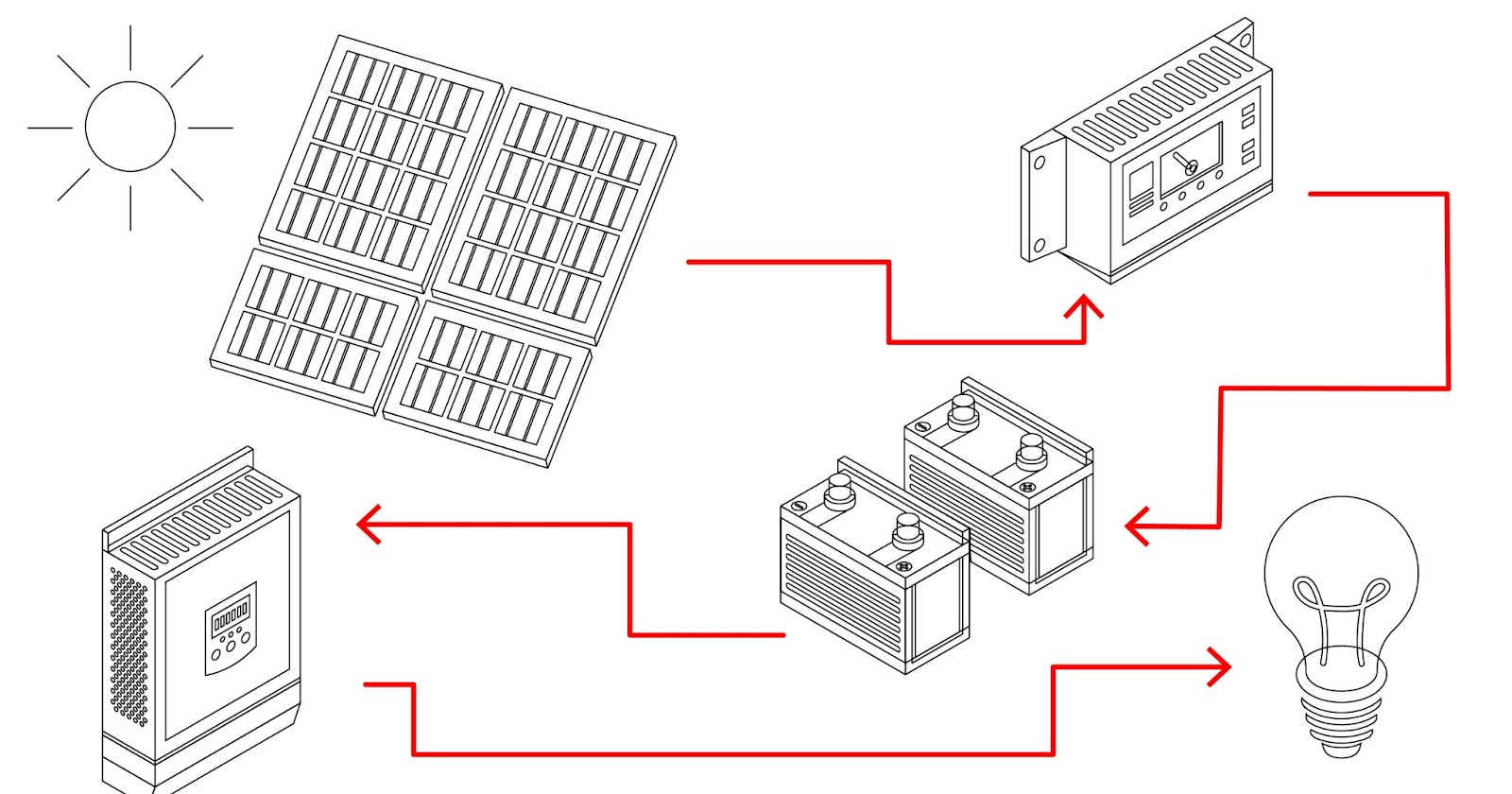
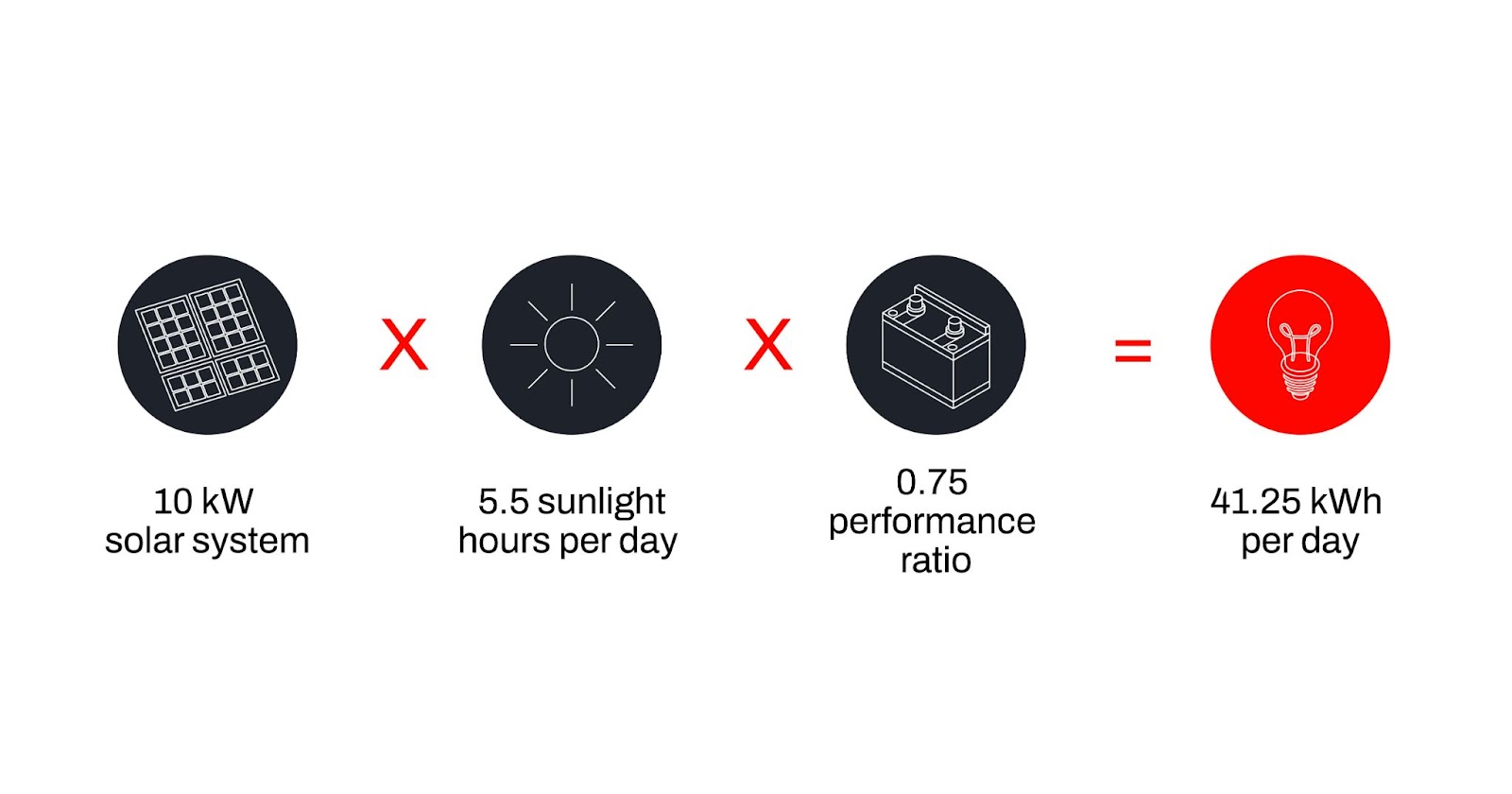


 Sean Huckstep


 PortalCX







 Mike Hilverda


You must be logged in to post a comment.